

From altitude scares to visa surprises, here’s what I wish I knew before my trip to Bolivia.
Traveling to Bolivia is one of the most rewarding experiences a traveler can have—otherworldly landscapes, Indigenous cultures that have remained beautifully intact, and a level of authenticity you rarely find in today’s global tourism circuit. But it’s also a destination that requires preparation. After visiting La Paz, Lake Titicaca, and the Salar de Uyuni—while navigating altitude sickness, infrastructure gaps, and last-minute immigration changes—I’ve gathered the essential things you need to know before booking your trip in 2026.
Whether you’re a seasoned explorer or a first-time visitor, these tips will help you plan smarter, stay safer, and get the most out of your Bolivian adventure.
1. The Altitude in Bolivia Is No Joke — Prepare Before You Arrive
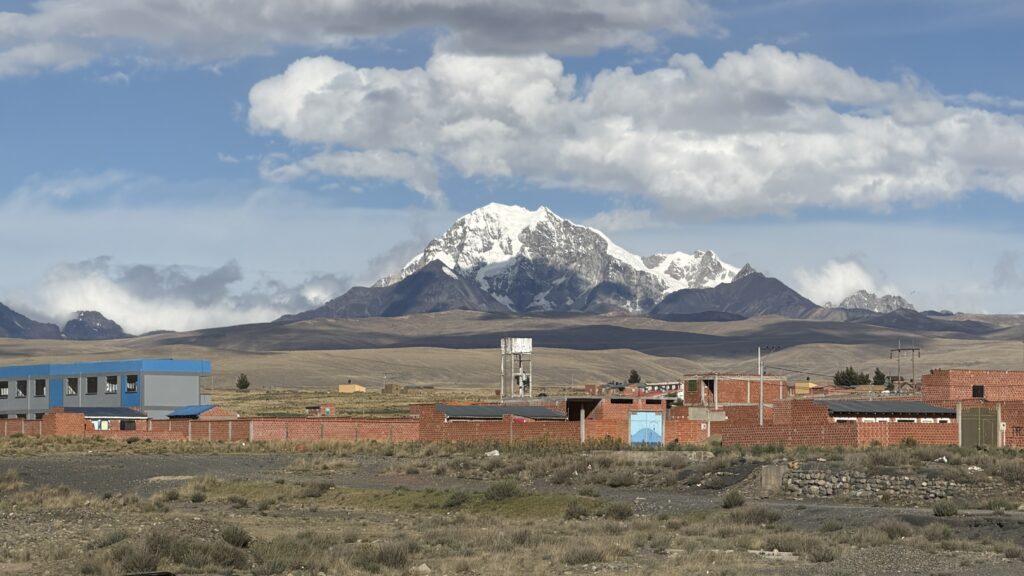
If you’ve been to Mexico City or Cusco/ Machu Picchu and thought you handled altitude well, Bolivia is a different world. El Alto Airport in La Paz sits at 13,325 feet, one of the highest in the world. My oxygen level dropped into the low 70s on arrival, and I spent days battling headaches, nausea, and sleeplessness, while simply walking around felt like a workout.
What helps:
- Plan for one or two days of rest. I am the kind of traveler who hits the ground runnning and has a packed schedule. But Bolivia is not the destination where you should push your body. It is better to just sleep, lay low, and rest for a day, so that you can enjoy the rest of your trip.
- Ascend slowly if you can—ideally stop in a mid-altitude city like Santa Cruz or Sucre first.
- Take acetazolamide (Diamox) with your doctor’s approval, but note: it can cause stomach issues, which hit me hard.
- Drink coca tea (only in the morning as it has caffeine), stay extra hydrated with electrolytes, avoid alcohol (even though Bolivia has amazing wine), and eat light (soups, salads, bread).
- Most guides, tour companies, and hotels have Oxygen cylinders handy to administer to travelers. They can measure your Oxygen levels with just the touch of a button. If your Oxygen reading is 80 or below, make sure to inhale it for 5-10 minutes several times a day.
Altitude sickness can escalate into dangerous conditions like HAPE/HACE. Always prioritize rest and talk to your guide immediately if symptoms worsen.
During my recent visit, my husband visited a private clinic in Uyuni and was hospitalized overnight. He was seen right away, with no wait time. The facilities were clean, the staff was attentive, and the out-of-pocket cost was a small fraction of what it would have cost in the U.S. In La Paz, the doctor came to pur hotel room to check his vitals and consult.
Thankfully, Bolivia has excellent medical care, and they really care for visitors’ well-being. If you do get sick, please ask your driver/ guide to take you to a medical facility as soon as possible.
2. New Bolivian Visa Policy for U.S. Citizens — Be Prepared for Long Lines
You can get visa on arrival. Bolivia recently reintroduced visa requirements for U.S. travelers, and the process is not fast. When I arrived, the immigration line moved at a glacial pace as travelers scrambled to fill out forms at 4:30am, hunt for missing documents, and sort through payment issues.
You will need to carry:
- Passport valid for at least six months. A copy of your passport.
- A passport size photo
- A printed hotel reservation and itinerary
- Printed bank statement
- Yellow fever vaccination card (they may or may not ask, but bring it)
- 160 USD (cash is best)
Note that the immigration officer will keep all your paperwork. Processing times vary from 1-2 hours, even though lines are not long. Be patient and don’t question the system. If you’re connecting onward, book a long layover.
As of December 1, 2025, Bolivia announced that U.S. citizens will no longer need a visa, but it’s unclear when this will take effect.

3. Limited Airline Connections — Getting In and Around Bolivia Is Hard
Bolivia’s geographic isolation means flight options are limited. There is only one nonstop flight from the U.S. (from Miami on BOL), and even within South America, only a few carriers serve major cities in Bolivia.
Important realities:
- Most of our flights within Bolivia were delayed at least by an hour, but never canceled, though it is not uncommon.
- Domestic flights are limited, so you may be forced to spend a few days at each destination.
- If you need to decesend to lower altitude, evacuate, or have an emergency, it may not be possible to fly out right away.
- Flights to and within Bolivia are super expensive. Unfortunately, it prevent Bolivians from traveling abroad.
- There are no SkyTeam or Star Alliance options that make repositioning easy.
- Weather can ground flights without warning, especially in La Paz and Uyuni.
When I needed to get out of La Paz earlier due to altitude issues, finding a same-day flight to anywhere was impossible. I purchased a next-day one-way ticket from La Paz to Lima (1.5-hour flight) for over $600 per passenger! I also had to send the airline a bank statement to prove that I had purchased the flight, or they would have cancelled my reservation.
Build flexibility into your plans, and avoid tight connections.

4. Expect Limited Tourism Infrastructure in Bolivia
Bolivia is one of the least developed tourism destinations in South America. That’s part of its charm—but also part of the challenge.
You may experience:
- Unusual paths including barge crossing over the lake, a hike to get to your lodge, steep steps and cable car rides
- Minimal medical facilities, especially outside tourist destinations
- Few English-speaking staff
- Simple accommodations, except for a handful of boutique and salt-flat hotels
- Even the 5-star hotels were sub-par at best
- Unpaved roads, long drive times, and minimal signage
The country was cut off politically and economically for decades, and tourism development is only recently starting to grow. Surprisingly, my T-Mobile connection worked very well, and the WiFi at most hotels was super fast.
If you’re expecting Peru-level tourism infrastructure, Bolivia will surprise you.

5. Bring Layers — The Weather Is Unpredictable
Temperatures in the Altiplano change dramatically throughout the day. I went from wearing a down jacket at sunrise on the salt flats to sweating in a t-shirt by midday.
Pack:
- A warm down or synthetic jacket
- Moisture-wicking base layers
- Sunscreen (the UV is intense at high elevation). You will get sunburned within a couple of hours.
- Gloves, scarf, and hat for early mornings. Hot Hands are my go-to!
- A rain layer during the wet season (Dec–March)
- Bring a soft-sided backpack or duffel bag for the times when mules will be transporting your luggage (such as during my stay at Sun Island on Lake Titicaca)
6. Cash Is King in Bolivia — Cards Are Not Always Accepted
ATMs exist, but they often run out of money or reject foreign cards. One of the ATMs I used in La Paz completed my transaction but did not dispense cash. I had to file a dispute with the local bank, which was an ordeal in itself. Small towns like Uyuni, Copacabana, or Isla del Sol are overwhelmingly cash-based. You will also get better exchange rates and negotiated pricing.
Bring cash for:
- Restrooms (1-5 boliviano per use)
- Food stalls for bottle water and snack
- Local artisan purchases
- Tips for guides and drivers (Most accept USD as well)
Best to bring $100 bills, and exchange it for Bolivian boliviano at one of the local shops. The exchange rate is as much as 30% higher when you have larger bills.
Most hotels, restaurants, and nicer shops accept credit cards, but may build in a transaction fee and offer lower conversion rates. The same thing was more expensive when paying by credit card than when paying in cash.



7. Food Is Fresh and Simple — But Your Stomach Might Rebel
Bolivian cuisine is hearty and comforting—think quinoa soups, potatoes, lake trout, and colorful produce. But between altitude, new bacteria, and limited refrigeration in remote areas, it’s easy for your stomach to get upset.
Tips:
- Eat cooked foods, especially in rural areas.
- Avoid heavy meals for the first 24–48 hours at altitude.
- Carry electrolytes and ginger chews.
My stomach rumbled for days after taking altitude medication, so go slow.
But for the most part, I loved Bolivian food!

8. Expect Authenticity — No Gloss, No Gimmicks
Unlike other South American destinations, Bolivia hasn’t been overrun by mass tourism. You’ll still see:
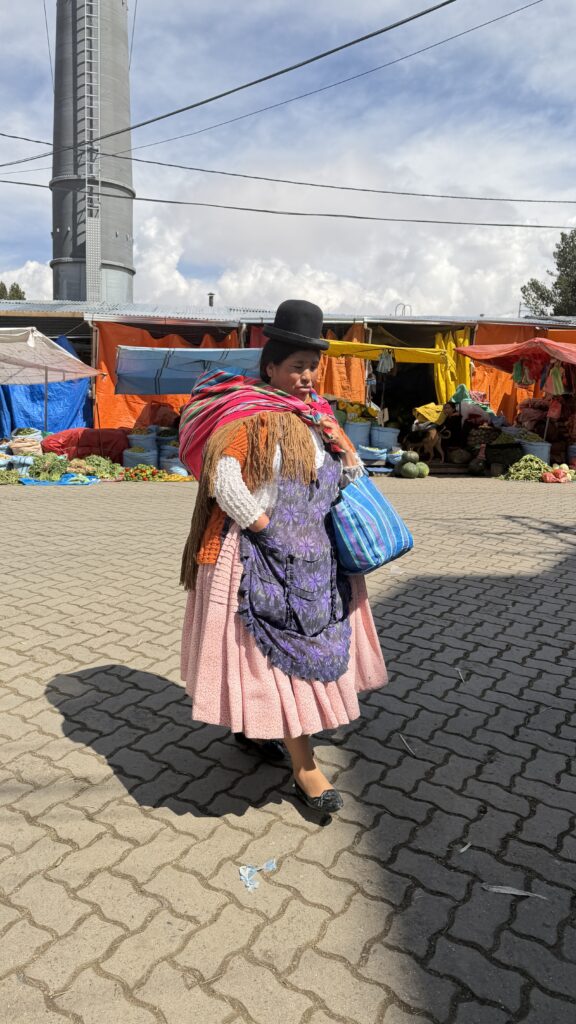
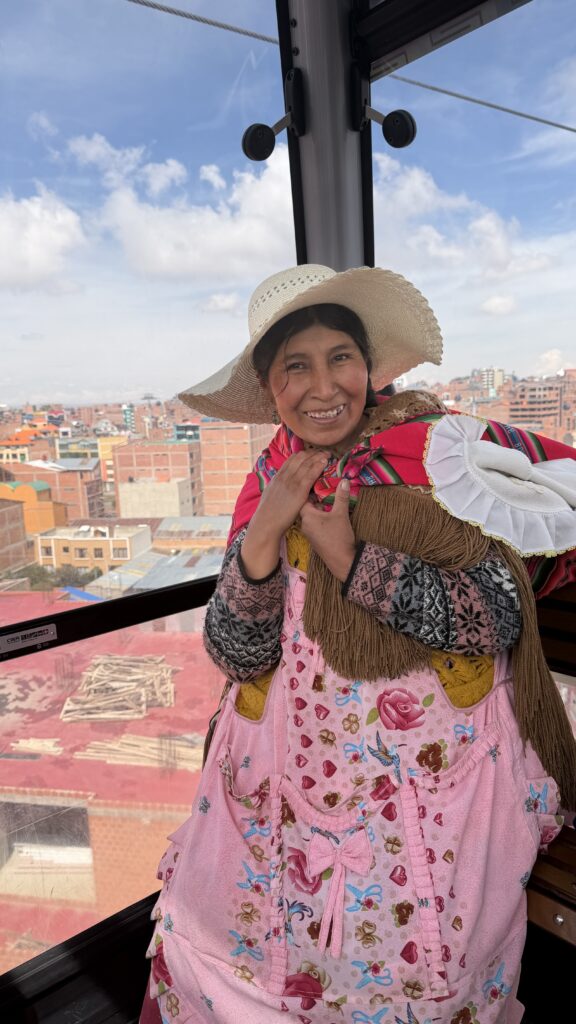
- Aymara women in traditional pollera skirts everywhere
- Families herding llamas across golden plains
- Villages where people speak only Quechua or Aymara
- Handmade crafts, not imported souvenirs
- Unfiltered glimpses of everyday Andean life
It’s refreshing, grounding, and culturally rich—something scarce in 2025.

9. The Rewards Are Extraordinary — Unlike Anywhere Else on Earth
Despite the hurdles, Bolivia is one of the most astonishing countries I’ve visited in 130+ countries.
Don’t miss:
Salar de Uyuni
The world’s largest salt flat—an endless white desert where the horizon disappears. Islands made of fossilized coral and 1,000-year-old cacti rise unexpectedly from the salt. Sunrise and sunset are surreal, and private lunches on the flats feel magical and otherworldly.
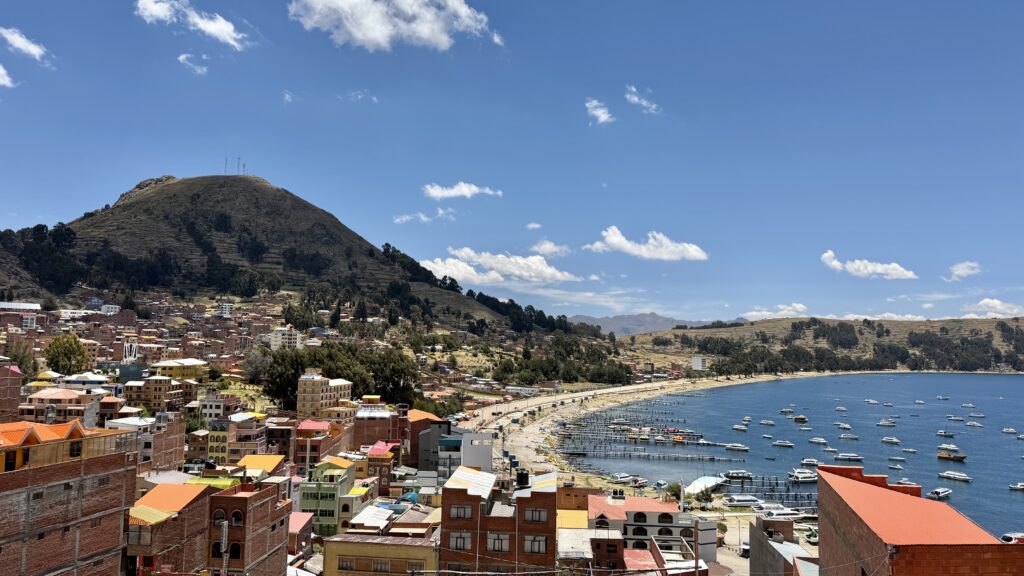
Lake Titicaca
The birthplace of the Inca civilization. Isla del Sol and Isla de la Luna offer ancient temples, terraced farms, and sweeping views over sapphire waters.
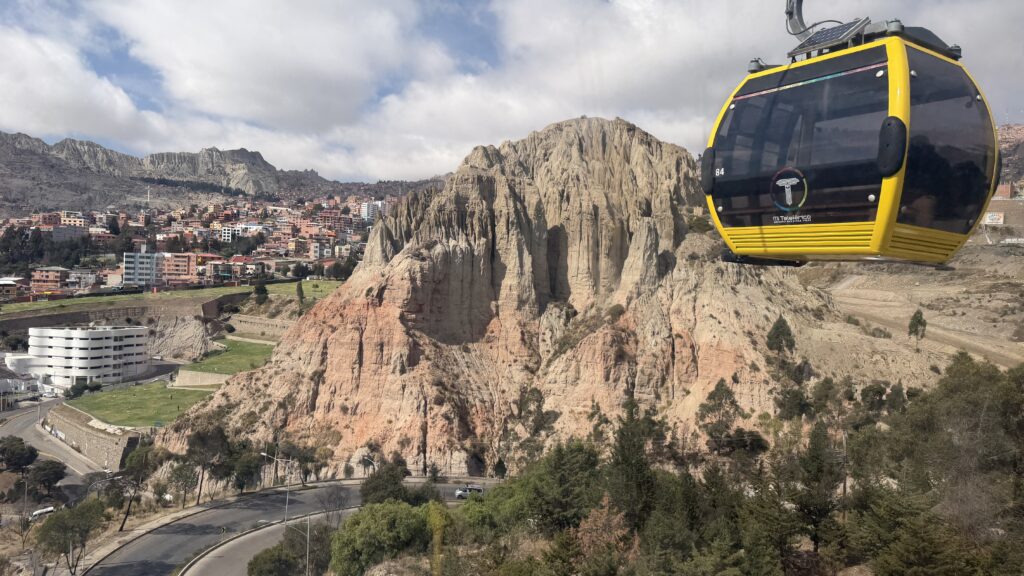
La Paz
A chaotic, colorful city cradled between Andean peaks. Ride the cable cars (Mi Teleférico) for the best views in South America.

The Altiplano + Eduardo Avaroa Reserve
From flamingo-filled red lagoons to smoking geysers and Dali-like rock formations, this region feels like stepping onto another planet.

10. Why You Should Use Thaki Travel
Bolivia is not a DIY destination—trust me. What made my trip smooth (and safe) was working with Thaki Travel, a Bolivia-based boutique agency with deep connections across the country.
They offer:
- Expert guides who understand high-altitude risks
- Strong relationships with local communities
- Customized itineraries based on your interests
- Support during emergencies (including altitude or itinerary changes)
- Seamless logistics where infrastructure is lacking
When my husband’s health took a turn, Thaki helped rearrange flights, modify plans, and ensure we stayed safe—something I could not have handled alone.
If you want to see Bolivia’s beauty without the stress, Thaki Travel is the best partner for the job.
Bolivia is raw, authentic, humbling, and breathtaking. It requires patience and preparation, but the reward is a journey that stays with you long after you’ve left. If you’re craving a destination that challenges and transforms you—Bolivia is waiting.
Disclaimer: My trip to Bolivia was hosted by Thaki Travel. All text and photos copyright Sucheta Rawal @Go Eat Give.