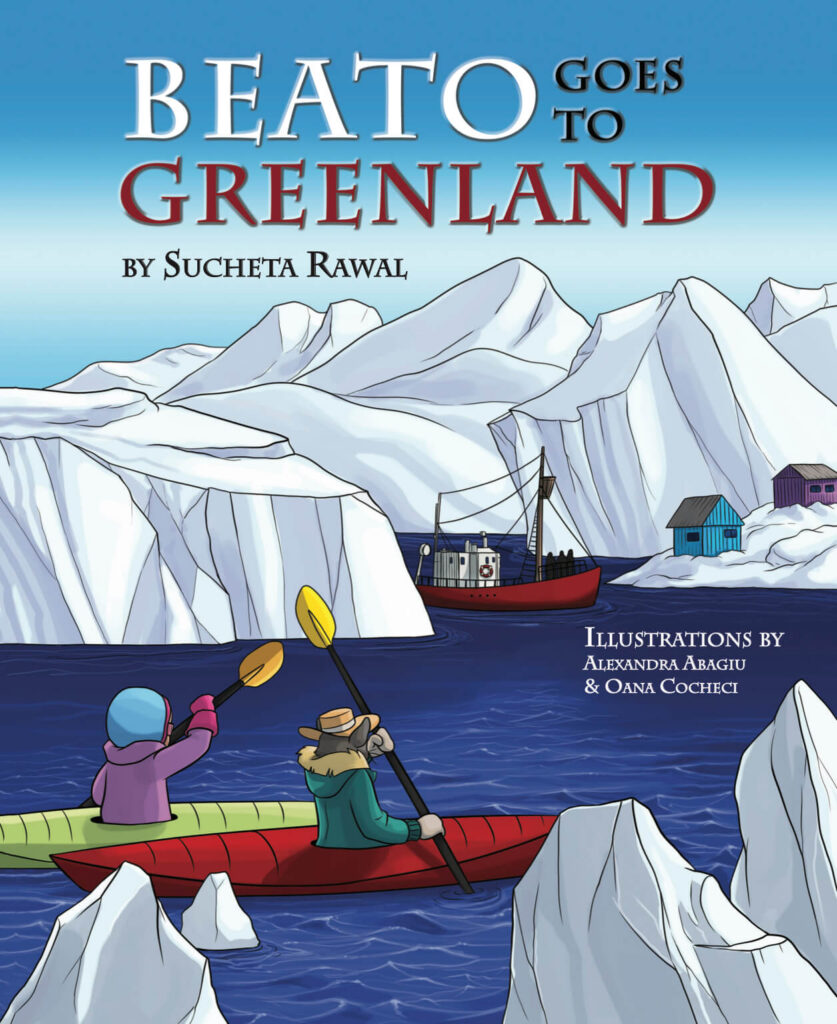

Twelve years ago, when I traveled to Greenland and later wrote Beato Goes To Greenland, people asked me the same question: “Why Greenland?”
Back then, it wasn’t on bucket lists. There were no viral reels of glowing icebergs. No nonstop flights from the United States. No trending Arctic cruise routes. Just a massive white landmass on the map that felt intimidating, distant, and quietly powerful.
The reason I visited Greenland back then was for a food festival. Believe it or not, I was one of the handful of writers invited from around the world to cover Greenland’s first-ever Igasa Food festival in the small town of Narsaq. The event itself lasted only a few hours. Because of it, I was able to visit Greenland’s first culinary school, meet local chefs, and tour greenhouses. I got a pulse of Greenland’s Tourism before it became popular.



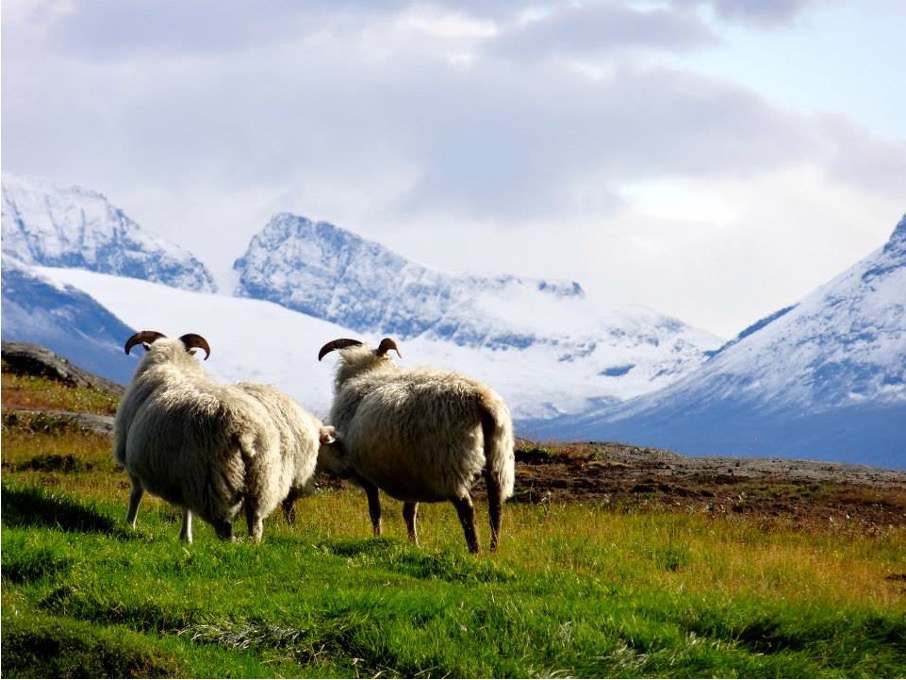
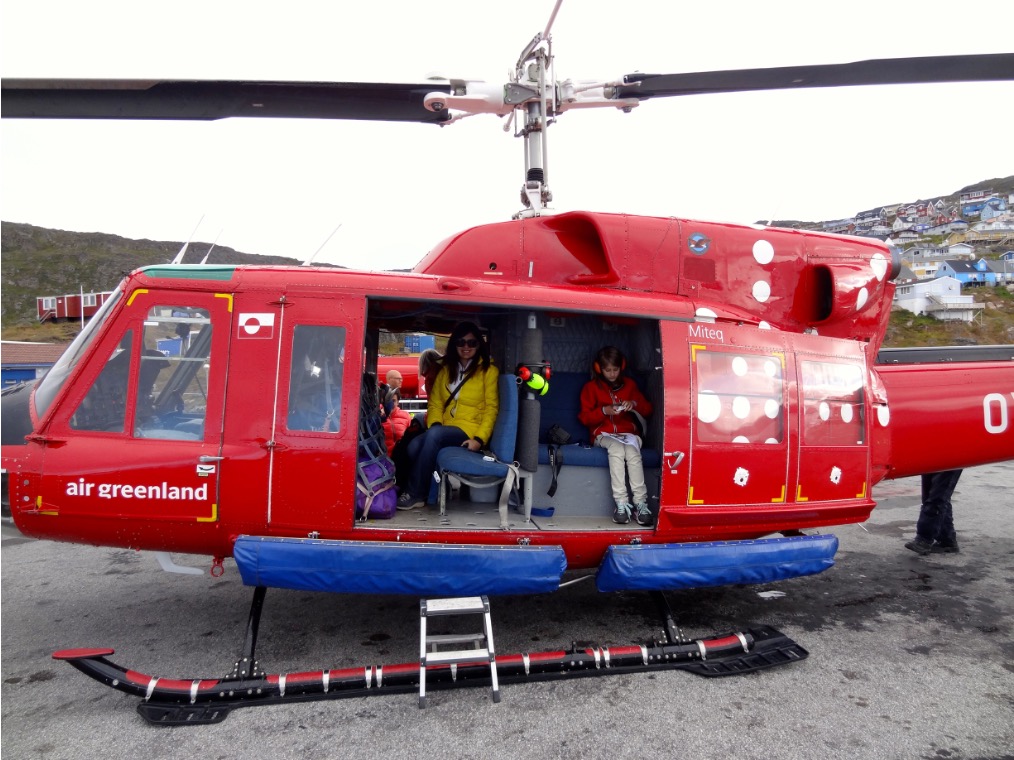
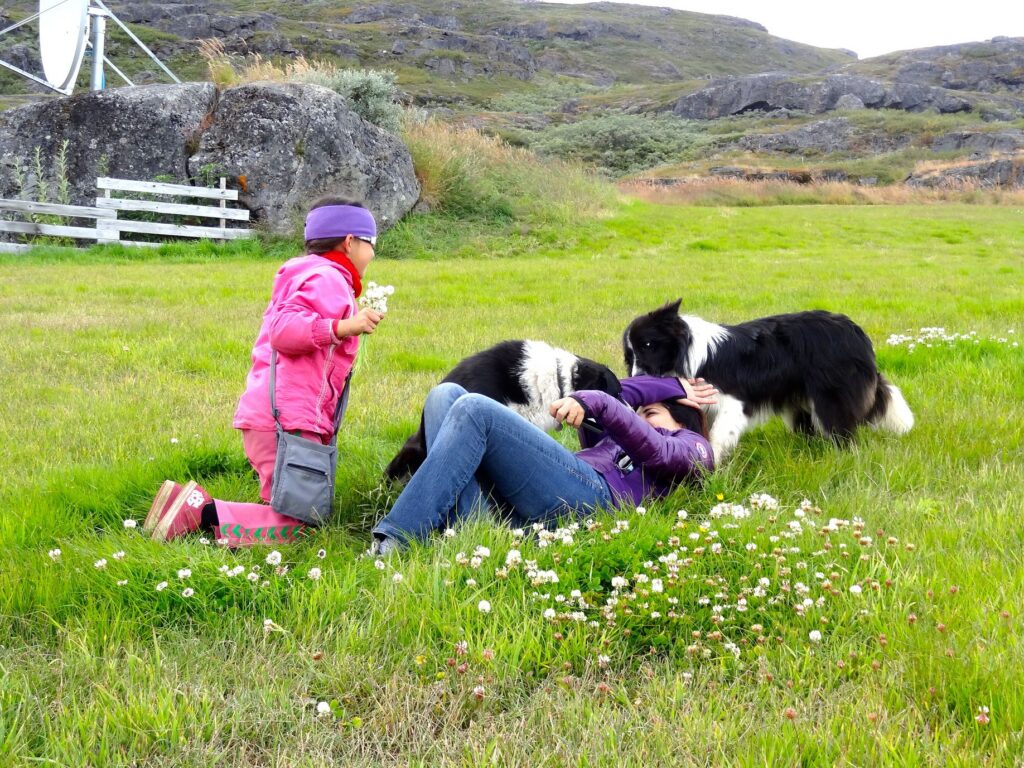
During that trip, I toured the country, traveling by helicopter and boat. One of my stops was a tiny island of Ipitaq, inhabited by a lovely French-Greenlandic couple, their 7-year-old daughter, 2 dogs, and 200 sheep. While staying at their sheep farm, I developed a deep connection to the family, and we are still friends to this day! They just opened a farm stay experience in Bornholm, Denmark.
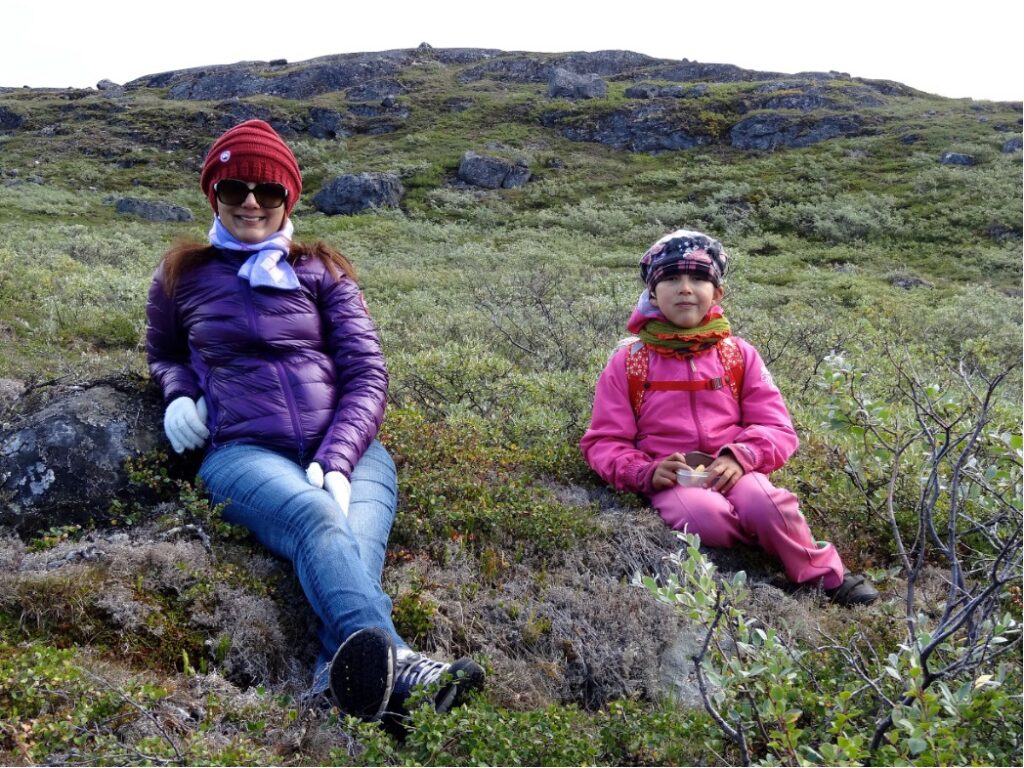
My first children’s book was based on this little girl, Ina, as I wanted to show how isolated yet enriching her life was. Though she had no internet, cable, phone, or neighbors, she spoke many languages and had intelligent conversations with the visitors. Ina left quite an impression on me, and with many of you readers.
Today, Greenland travel is surging. With new direct flights to Nuuk, expanded airports, and a global fascination with Arctic destinations, travelers are finally paying attention to what I experienced a decade ago—a place that humbles you in the best possible way.
If you’re planning a trip to Greenland in 2026, here is everything you need to know — what has changed, what hasn’t, and how to travel there thoughtfully.
Why Is Greenland So Popular Right Now?
Searches for “how to travel to Greenland” and “direct flights to Greenland from USA” have spiked dramatically in the last two years. The reasons are clear:
Greenland opened a modern international airport in Nuuk in late 2024, and United Airlines now flies direct from Newark. Suddenly, what once required routing through Copenhagen or Reykjavik is accessible in a single long-haul flight.
But access is only part of the story.
Travelers today crave remote, climate-conscious destinations. They want vast landscapes, fewer crowds, and experiences that feel meaningful rather than manufactured. Greenland delivers exactly that — but it requires preparation and patience.
When I first landed there, I knew I wasn’t on a typical vacation. I was entering a land shaped by ice, isolation, and Inuit heritage. There were hardly any restaurants, and food was very, very expensive. It was hard to navigate the country due to limited transportation. I often stayed at boardinghouses because there were no hotels in town. Since then, a lot has changed.
How to Get to Greenland in 2026
The biggest transformation over the last decade is connectivity.
When I first visited, I flew through Copenhagen and then boarded a small aircraft to Kangerlussuaq. That airport, once the primary international gateway, felt like an Arctic outpost — functional, wind-swept, and remote.
Now, Nuuk has a full international airport, making it the primary entry point. Additional airport expansions in Ilulissat and Qaqortoq are expected to further streamline travel.
There are still no roads connecting towns. Let me repeat that — no highways linking cities. You travel between towns by plane, boat, helicopter, or seasonal ferry. Greenland remains logistically unique, and that is part of its charm.
Weather delays are common. Always build in an extra day or two on either end of your itinerary. Greenland teaches flexibility.
Best Places to Visit in Greenland (Then and Now)
Ilulissat: Icebergs That Redefine Scale
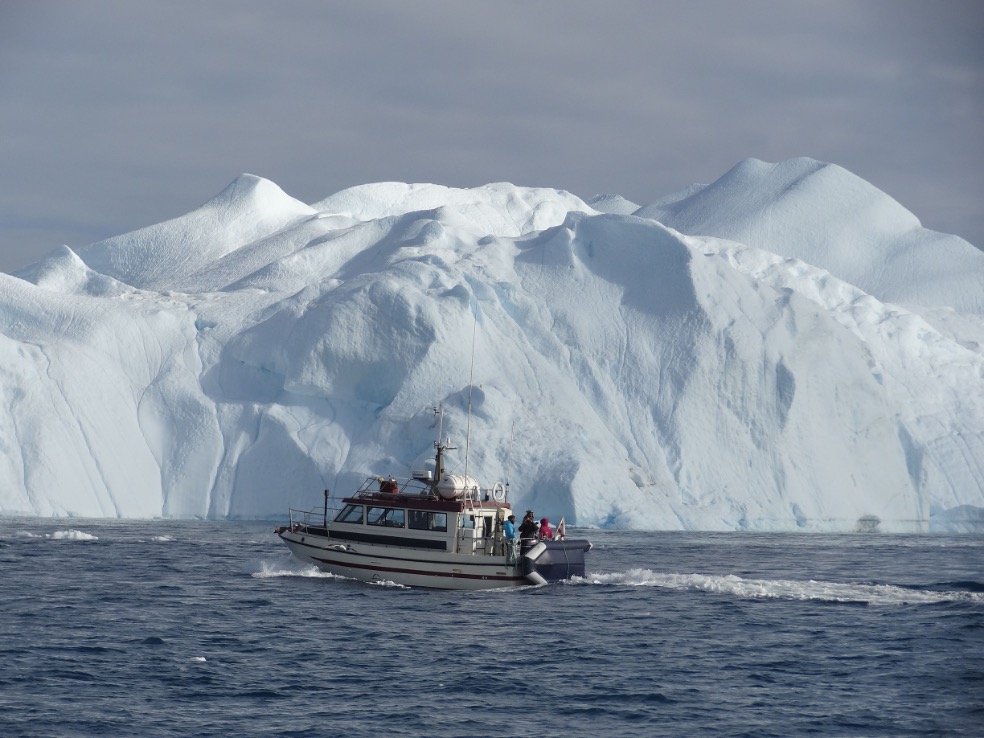
Ilulissat was one of the most unforgettable places I experienced. The Ilulissat Icefjord — a UNESCO World Heritage Site — is not simply scenic. It is overwhelming.
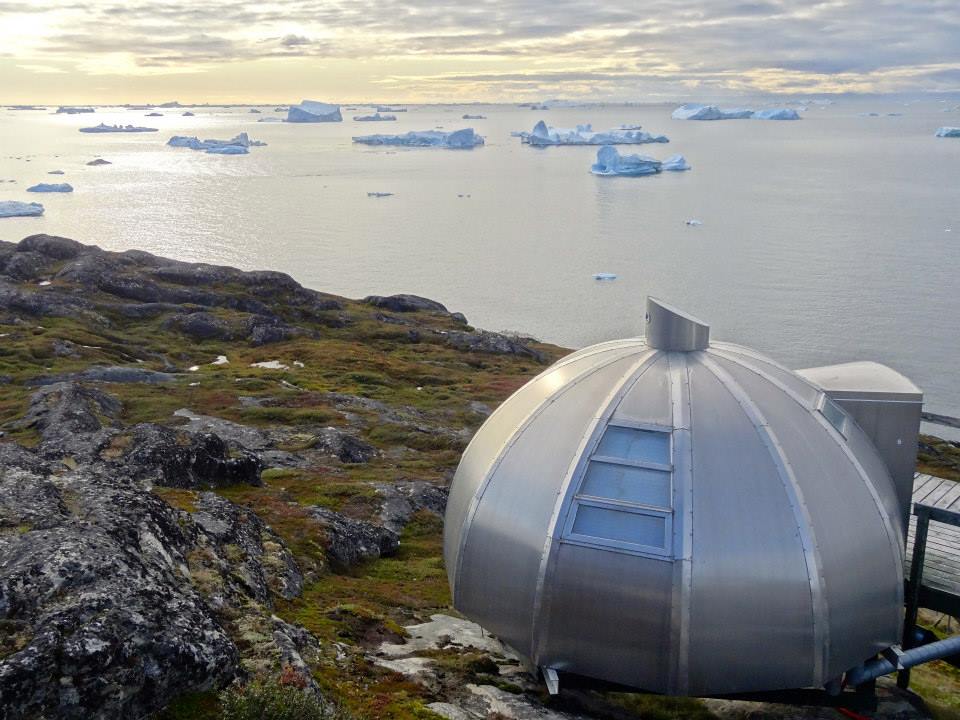
Ten years ago, I stood quietly on the boardwalk watching ancient ice crack and shift. Boat tours were intimate. I stayed at the luxurious Hotel Arctic, which also had individual glass igloos overlooking the fjord. The food at Restaurant Ulo – fresh snow crabs, halibut, and redfish – was stunning!
Today, Ilulissat remains the crown jewel of Greenland tourism. Infrastructure has improved. There are more organized excursions and an increase in cruise ship arrivals. Yet, the landscape remains primordial. Icebergs the size of skyscrapers still drift silently through Disko Bay.
If you are searching for the best place to visit in Greenland, this is it.
Nuuk: A Capital Coming Into Its Own
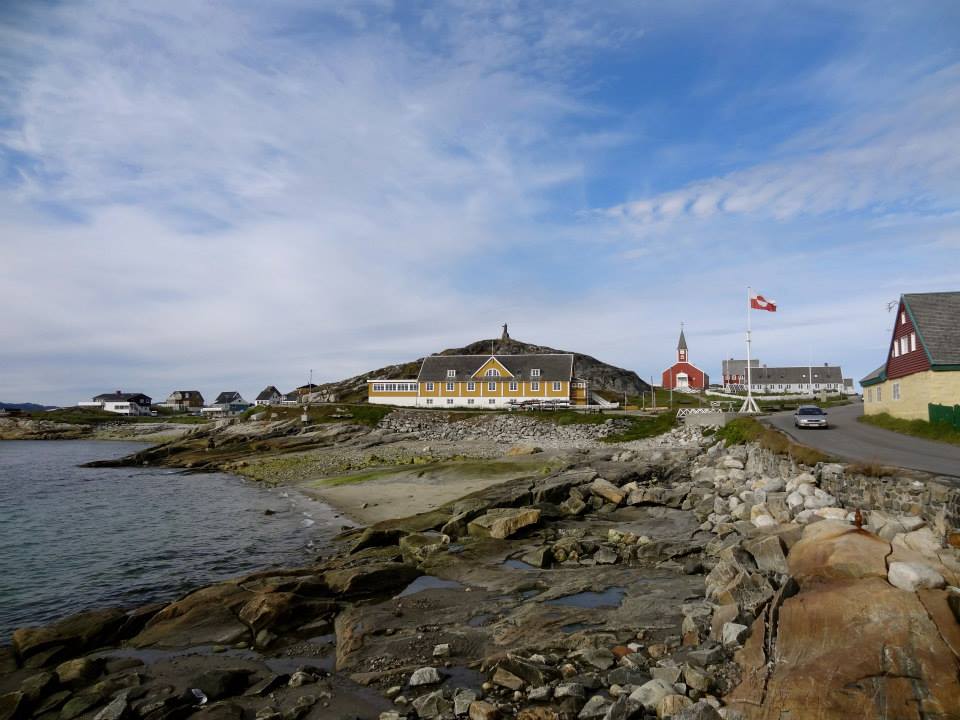
Nuuk used to feel like a sleepy harbor town with colorful houses and a few museums tucked between the hills. Now, it is evolving into a cultural capital.
With the new international airport, Nuuk has seen a rise in boutique accommodations, cafés, and restaurants that showcase modern Greenlandic cuisine — think Arctic char, musk ox, and foraged herbs.
But it is still small. Still intimate. Still framed by mountains and sea.
If you’re wondering whether to spend time in Nuuk or head straight to Ilulissat, my advice is simple: do both. Nuuk gives you cultural grounding. Ilulissat gives you geological awe.
South Greenland: Fjords, Farms, and Norse History
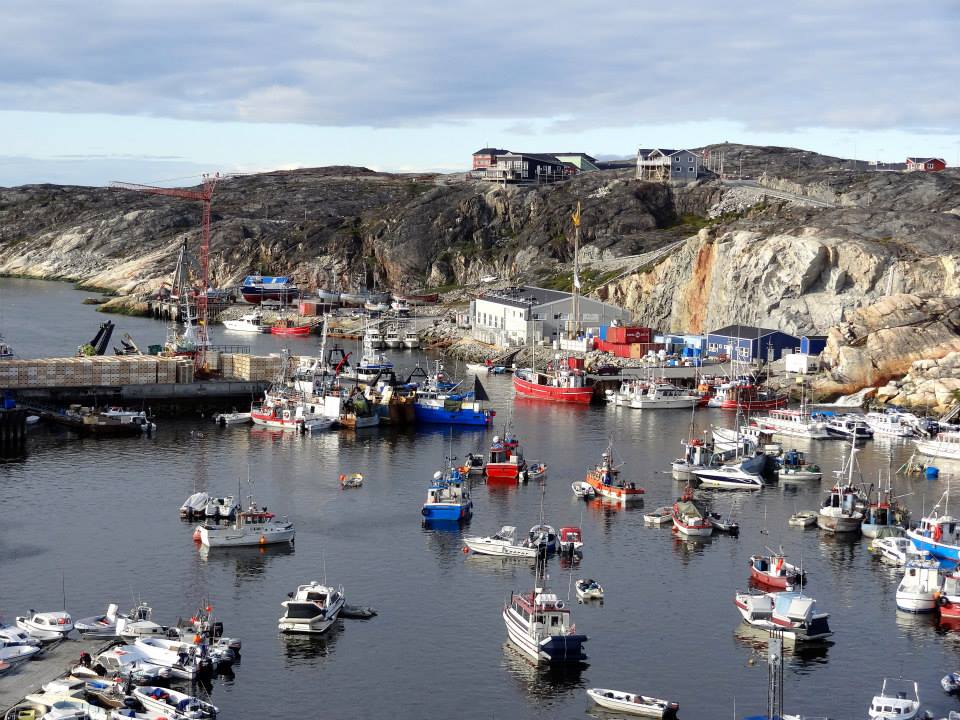
Southern Greenland remains one of the least explored regions — and one of the most rewarding. In towns like Qaqortoq and Narsaq, sheep farms dot rolling green hills in summer. Norse ruins whisper of Viking settlements. Kayaking through fjords feels timeless.
A decade ago, this region felt truly off-grid. It still does — but improved air access will soon make it easier to reach.
If you are searching for a South Greenland itinerary, plan at least four to five days. Distances are deceptive. Travel takes time.
What Has Changed in Greenland in 10 Years?
1. Flights and Accessibility
The most obvious change is direct air service from the United States. Travel time has shortened significantly.
However, capacity remains limited. Flights sell out quickly in peak summer months (June–August). Book early.
2. Hotels and Lodging
Greenland does not have large global luxury chains. What it has are locally owned guesthouses, eco-lodges, and a few well-established hotels like Hotel Arctic in Ilulissat and Hotel Hans Egede in Nuuk.
Availability is tight during summer. Advance reservations are essential.
3. Connectivity and Internet
A decade ago, internet access was sparse and slow. Today, connectivity has improved in major towns. eSIM options are available. However, once you leave urban areas, signal drops quickly.
Do not expect constant connectivity. Greenland encourages digital detox.
4. Currency and Costs
Greenland uses the Danish Krone (DKK). Credit cards are widely accepted in towns, but carry some cash for smaller settlements.
Is Greenland expensive? Yes, because nearly everything is imported. Food and fuel costs are high. I remember seeing $50 cheese sandwiches and $10 apples. However, nature is free. Hiking trails cost nothing. Icebergs do not charge admission.
5. Cruises and Tourism Growth
Cruise tourism has expanded significantly. Expedition-style cruises offer access to remote fjords and glaciers.
The upside: easier access to isolated regions.
The downside: brief crowd surges in small towns.
Greenland has implemented long-term tourism strategies focused on sustainability rather than mass tourism. The goal is measured growth — not overtourism.
Best Time to Visit Greenland
Summer (June–August) is the most popular season. You’ll experience midnight sun, accessible hiking trails, and boat tours among icebergs.
Winter (February–April) is ideal for Northern Lights and dog sledding but comes with extreme cold and reduced services.
If you are Googling “best time to visit Greenland,” summer is the easiest introduction. Winter is for seasoned Arctic travelers.
Greenland Travel Do’s and Don’ts
Dress in layers. Arctic weather shifts quickly.
Buy comprehensive travel insurance.
Respect wildlife and local culture.
Plan ahead.
Don’t expect luxury convenience everywhere.
Don’t underestimate weather delays.
And please don’t compare Greenland to Iceland — they are entirely different experiences.
Is Greenland Worth Visiting in 2026?
Absolutely — but only if you understand what you’re signing up for.
Greenland is not about curated experiences or polished itineraries. It is about scale, silence, and perspective.
When I wrote Beato Goes To Greenland, I wanted to show children — and adults — that the world is bigger and more nuanced than we imagine. Returning now, even in memory, I realize something powerful:
Greenland hasn’t changed as much as we have.
We are the ones seeking remoteness, craving authenticity, and trying to slow down.
Greenland simply exists — vast, icy, patient.
If you go in 2026, go respectfully. Go prepared. Go curious.
And leave room for awe.