

Haida Gwaii—literally “Islands of the People” in the Haida language—is an archipelago of islands off the northern Pacific coast of British Columbia, Canada, positioned like a torch beneath Alaska’s panhandle. Though formerly known as the Queen Charlotte Islands, it was officially reverted in 2010 to honor the Haida Nation’s enduring presence for over 14,000 years. The islands are often called the “Galápagos of the North”. They are cherished for their endemic species, such as the unique black bear and the rare ermine, as well as their ancient, biodiverse temperate rainforests. A place bypassed mainly by the Ice Age, Haida Gwaii bears more biomass per square yard than any place on the planet. Over 290 species of birds and 300 species of fish live in and around the land and waters of Haida Gwaii.
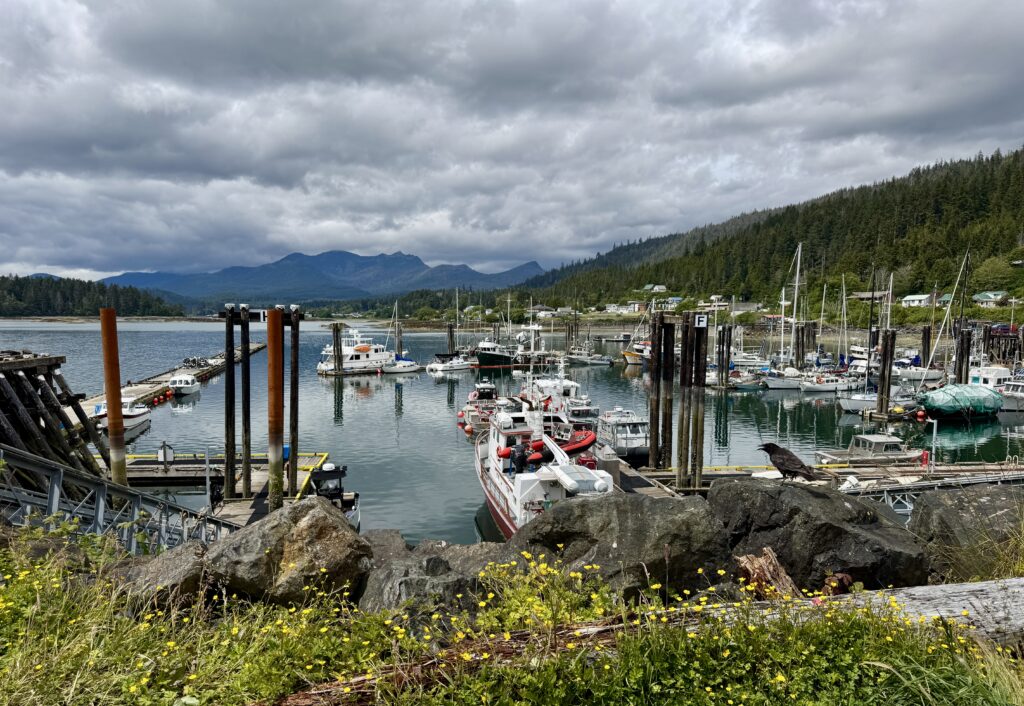
Haida Gwaii Today
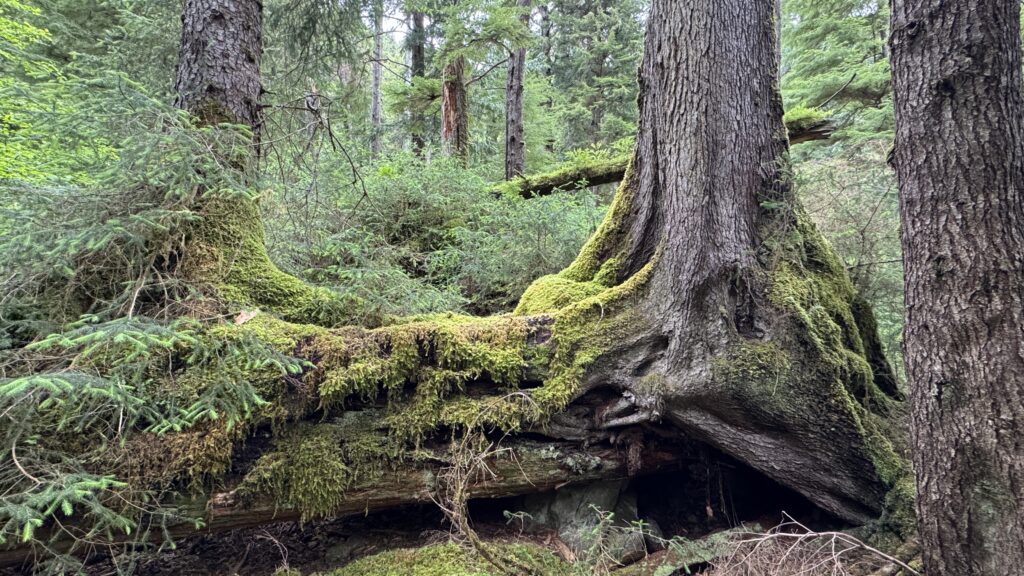
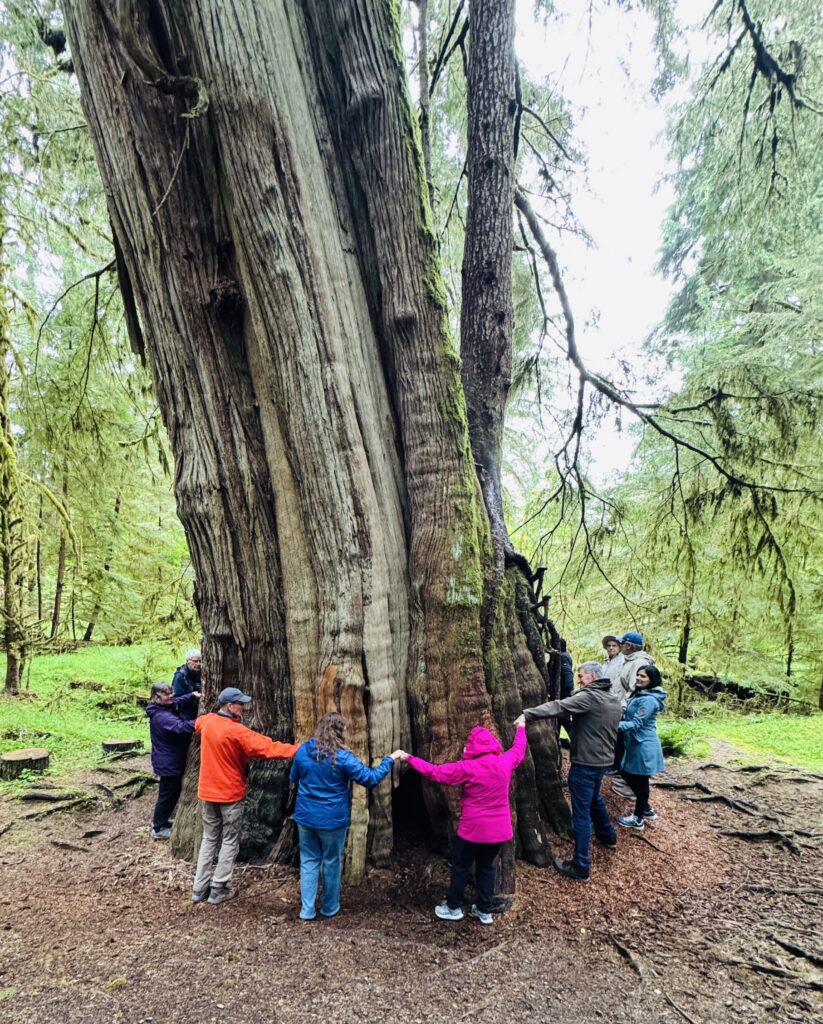
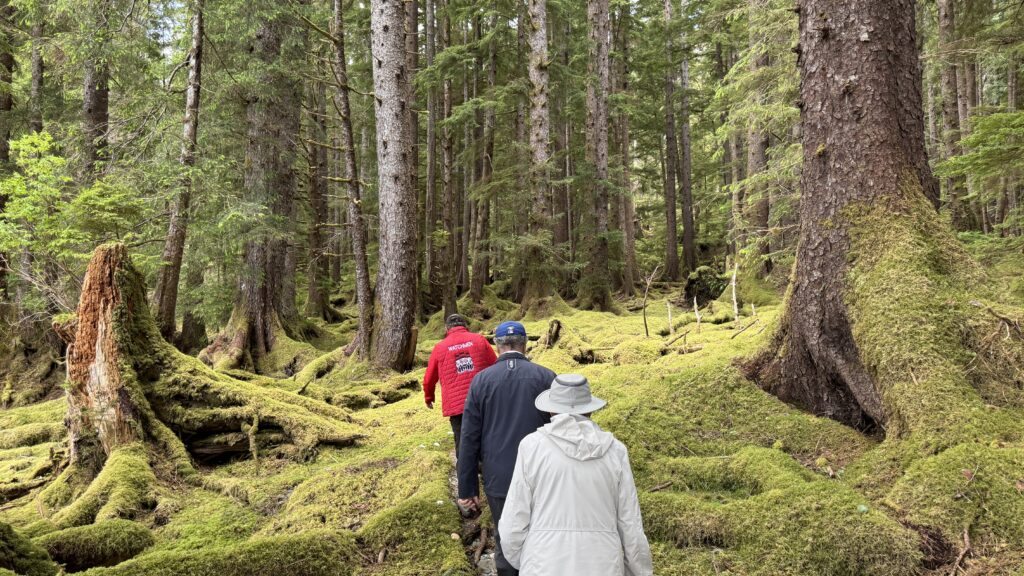
Today, there are 3,674 islands and islets in Haida Gwaii, and 1,884 islands/islets in Gwaii Haanas, scattered across an area with over 600 known archaeological sites. As you step onto the soft, springy moss in the dense rainforest, your lungs expand with the purity of the air, while your vision is overwhelmed by the endless hues of green and flashes of blue light breaking through the canopy. Chances are, you may not find another soul in sight, as well as no cell signals and no noise pollution, only the steady rhythm of your heartbeat and the crunch of your own footsteps. You may find yourself pausing often, gazing up at 500-year-old giants: towering hemlocks, red cedars, and Sitka spruce that dwarf you in their ancient stillness.
Haida Gwaii is the perfect destination to immerse yourself in nature, unplug from modern life, and learn from one of the oldest living civilizations about how humans and nature have coexisted in harmony for thousands of years.
When to visit Haida Gwaii?
The most reliable time is between June 1 and September 30, when ferry crossings from Prince Rupert are frequent, tourist services operate at full capacity, and the weather is comparatively stable. During winter, the weather becomes unpredictable and access becomes more variable, especially over the turbulent Hecate Strait.
How to get there?
The easiest way to reach Haida Gwaii is by flight – into the small airports at Sandspit (on Moresby Island) or Skidegate (on Graham Island). Most flights operate year-round between BC. (Vancouver, Campbell River, Prince Rupert) and Haida Gwaii. You can also hop on BC Ferries from Prince Rupert. Within the islands, rental cars or shuttle services are the primary modes of transport, as public transit is virtually nonexistent.

What’s the best way to see Haida Gwaii?
The remote sites of Haida Gwaii—particularly Gwaii Haanas and SG̱ang Gwaay, are most readily accessed by boat or floatplane. Board a specialized cruise, such as Maple Leaf Adventures’ 7-9 day tours, for a comprehensive immersion of land and water-based natural and indigenous history, ecological and wildlife education, in an all-inclusive and comfortable format. The small ships limit group size, enhance intimacy, reduce environmental footprint, and foster meaningful interactions with Haida culture and wilderness.

Where to stay in Haida Gwaii?
If you choose not to cruise, you can stay on Haida Gwaii but will need to opt for boat tours, fishing charters, or day trips to explore much of the area.
Because Haida Gwaii is remote and relatively undeveloped, lodging is often intimate, family-run, and deeply tied to the place. Options range from Indigenous-owned cultural lodges to simple seaside motels and rustic campsites. Owned and operated by the Haida Nation, Haida House at Tllaal (Tlell, Graham Island) offers intimate and luxurious rooms at its cedar-clad lodge and oceanfront cabins. Other options in Daajing Giids / Queen Charlotte) include the Premier Creek Lodging, an inn dating back to 1910, or the centrally located Sea Raven Motel.
What are some things to do in Haida Gwaii?
Understand that Haida Gwaii consists of a group of islands, and some of the activities are inaccessible by road. You can explore some of the land-based attractions Skidegate and Naikoon Provincial Park.
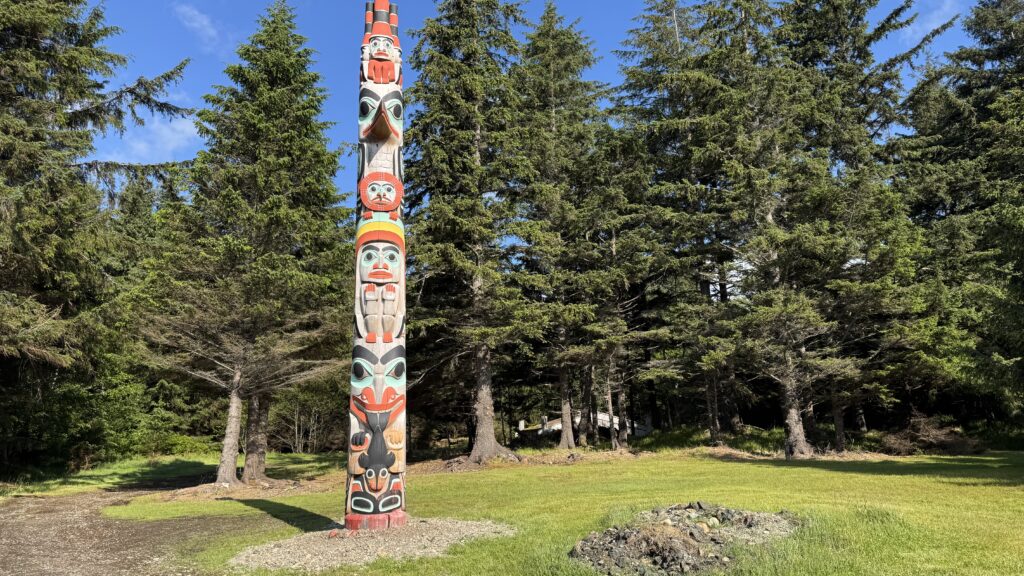
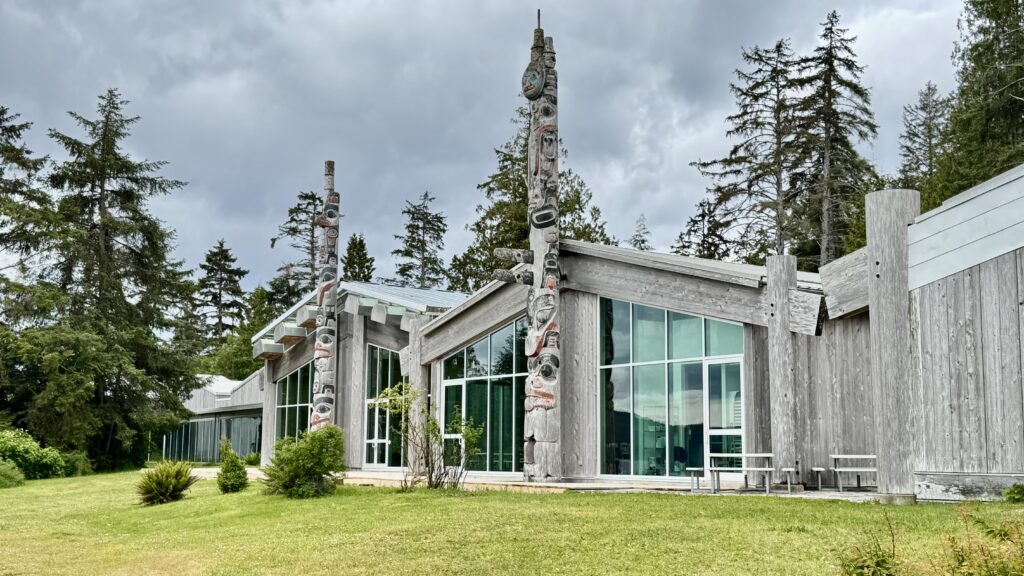
On land, get an overview of Haida culture at the Haida Heritage Centre at Kay Llnagaay in Skidegate, which also houses the Haida Gwaii Museum. Here, you can learn about the monumental cedar longhouses and the towering poles that once fronted ancient villages.
On Graham Island, walk the trails in Naikoon Provincial Park through old-growth spruce and cedar to windswept beaches where bald eagles wheel overhead. The Tow Hill Boardwalk Trail concludes with sweeping views over North Beach, a prime spot for watching migrating birds. Offshore, boat tours from Skidegate and Queen Charlotte (Daajing Giids) give access to whales, sea lions, and porpoises. In summer, humpback whales breach in the Hecate Strait, while pods of orcas cut sleek paths through the water. More than 200 bird species—from tufted puffins to sandhill cranes—make Haida Gwaii a paradise for birdwatchers.
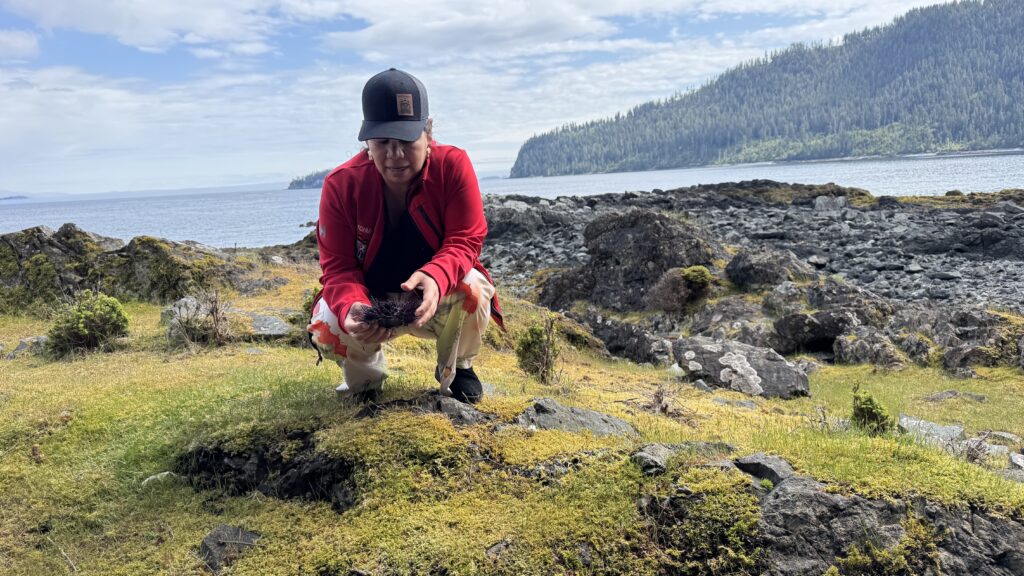
Who Are The Haida Watchmen?
To go deeper into living heritage, join guided boat trips to visit the Haida Gwaii Watchmen – stewards stationed at remote heritage sites across the islands, such as Tanu, Hotspring Island (Gandll K’in Gwaay.yaay), and S’gang Gwaay. Living in solitude through the summer, the Watchmen tend to the forest paths and guard the remnants of sacred villages, where intricately carved longhouses still whisper of the past. Their presence ensures the protection of cultural treasures and limits the number of guests. The Watchmen are often proud of their Haida heritage and eager to share stories, oral histories, and explanations of totem designs with visitors.
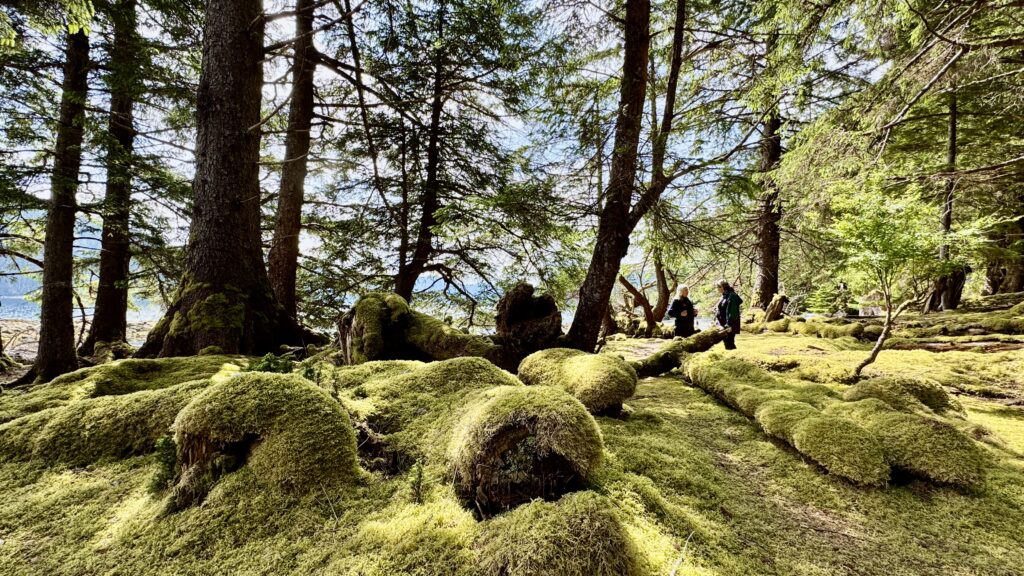
For history and archaeology, S’gang Gwaay (Ninstints) on Anthony Island is a UNESCO World Heritage Site, where you can see cedar house beams and weathered poles, intricately carved with figures of ravens, bears, and watchmen. Other ancient village sites within Gwaii Haanas National Park Reserve, a National Marine Conservation Area and Haida Heritage Site—the only protected area of its kind in the world, co-managed by Parks Canada and the Haida Nation—offer equally powerful glimpses of a culture that has endured for millennia.
For cultural immersion, The End of the Edge of the World Music Festival draws international attention in August each year.
Tips for visiting Haida Gwaii
Take the Haida Gwaii Pledge to affirm respect for the land, culture, and the ethics of travel in partnership with the Haida Nation. No unpermitted access to heritage sites, no removal of artifacts, and a minimal footprint—leaving no trace—these are the vital practices that the Watchmen stewards uphold. Approach totem poles or other cultural objects with reverence, observe signage and guidance from Haida hosts, and support local Indigenous-run ventures, including tours, arts, and crafts markets. Understanding that one is entering a living culture, not a museum, is at the heart of respectful travel in Haida Gwaii.
What can you learn from Haida Nation?
The Haida people’s principles center on respect, responsibility, interconnectedness, balance, seeking wise counsel, and the exchange of knowledge. They believe that groups of people are interconnected like the forests, strengthening or destroying the neighborhood together. If you hang on to anger from the past, you won’t be able to grow or be joyful. The Haida chiefs believed that the only way to acquire wealth was to give it away continuously. By distributing and sharing their belongings, they gain prestige and ultimately become wealthier in other ways.
Now those are lessons we can all apply to our lives today!
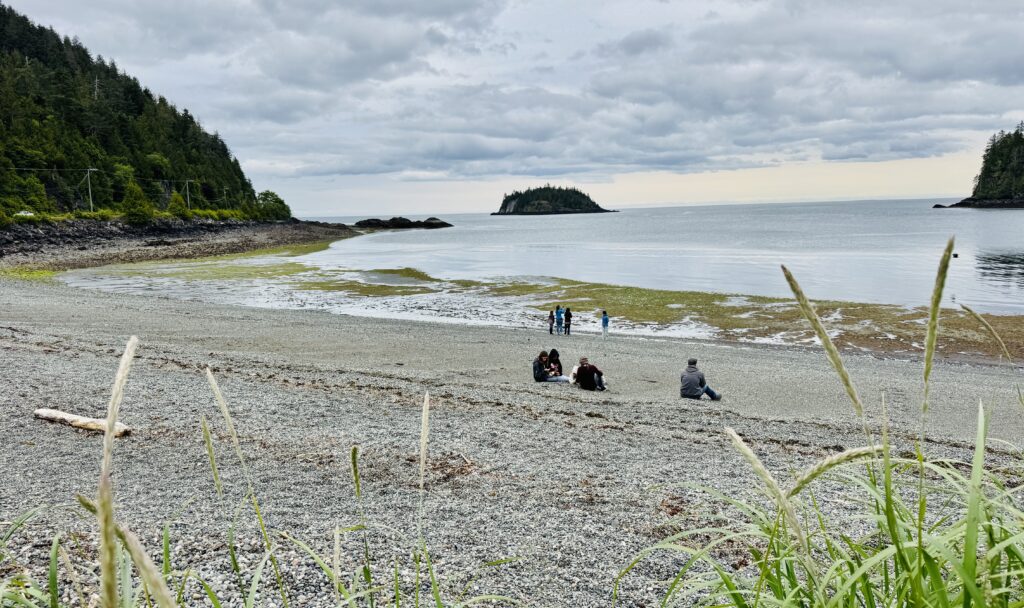
Disclaimer: I traveled to Haida Gwaii as a media guest of Maple Leaf Adventures and Visit British Columbia, but all words and photos are my own.