

A First-Person Guide That Busts Myths, Challenges Media Narratives, and Celebrates Modern China
If you’ve been paying attention to the headlines, you might think traveling to China right now is complicated, restrictive, or even intimidating. I thought so too—until I went.
As someone who has traveled to over 130 countries, I’ve learned one thing again and again: what you see in the media is often incomplete, exaggerated, or simply untrue. That’s precisely why I travel—to experience places for myself, speak to locals, observe daily life, and form my own opinions. China was no exception.
This recent trip reminded me why firsthand travel matters more than ever. Here’s what it’s actually like to travel to China right now—and why many of the common fears don’t hold up once you’re on the ground.
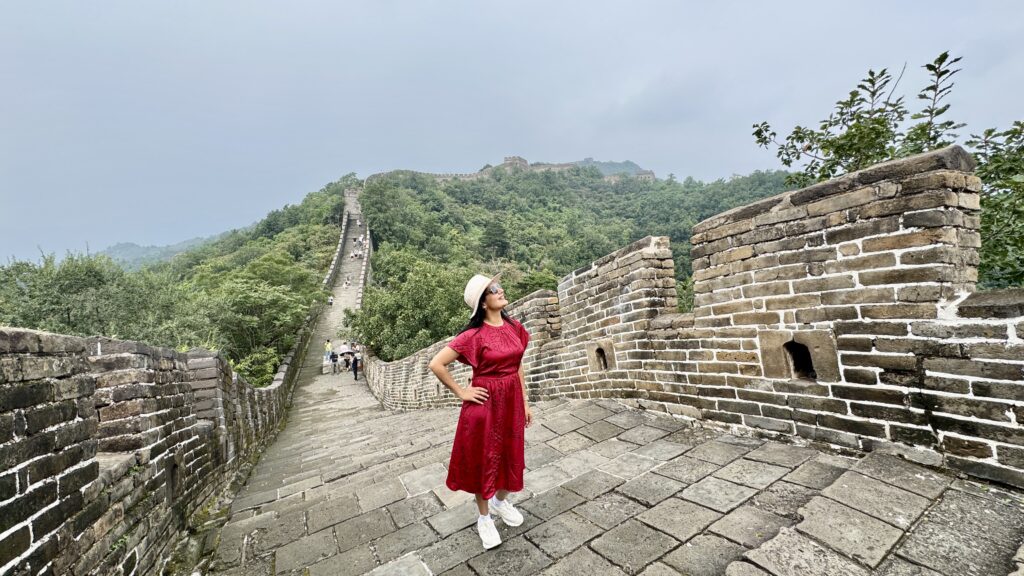
Myth #1: “The air is polluted everywhere”
Reality: The air was surprisingly clean
Yes, China has struggled with air quality in the past, but that narrative is outdated. In major cities like Beijing, Shanghai, Chengdu, and Xi’an, I experienced clear skies, blue days, and visible investment in green infrastructure. There are lots of green parks. Locals prefer biking, electric vehicles, and public transportation to cars.
China has made massive environmental strides, and as a traveler, you feel it immediately—especially compared to many other global megacities.
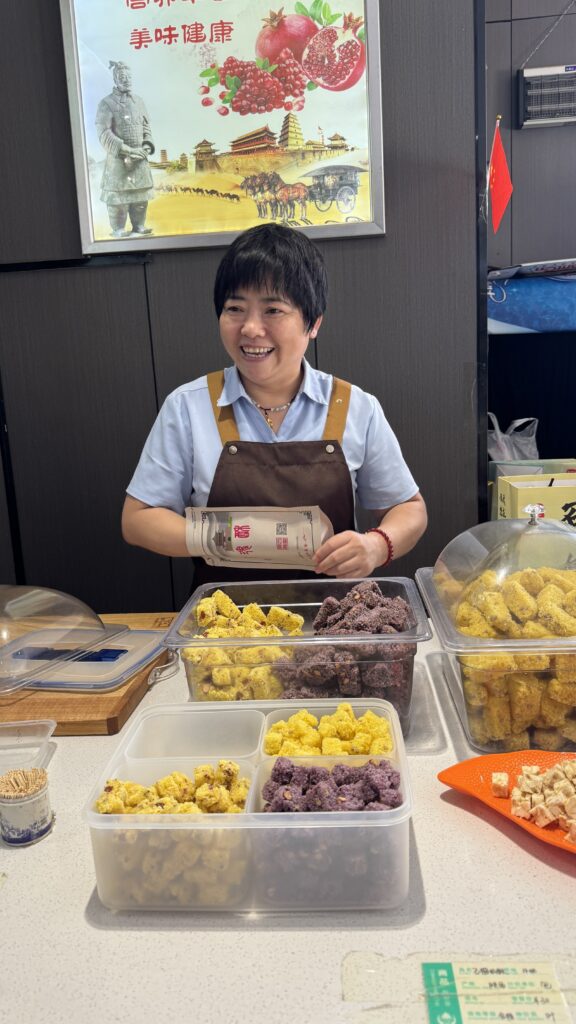
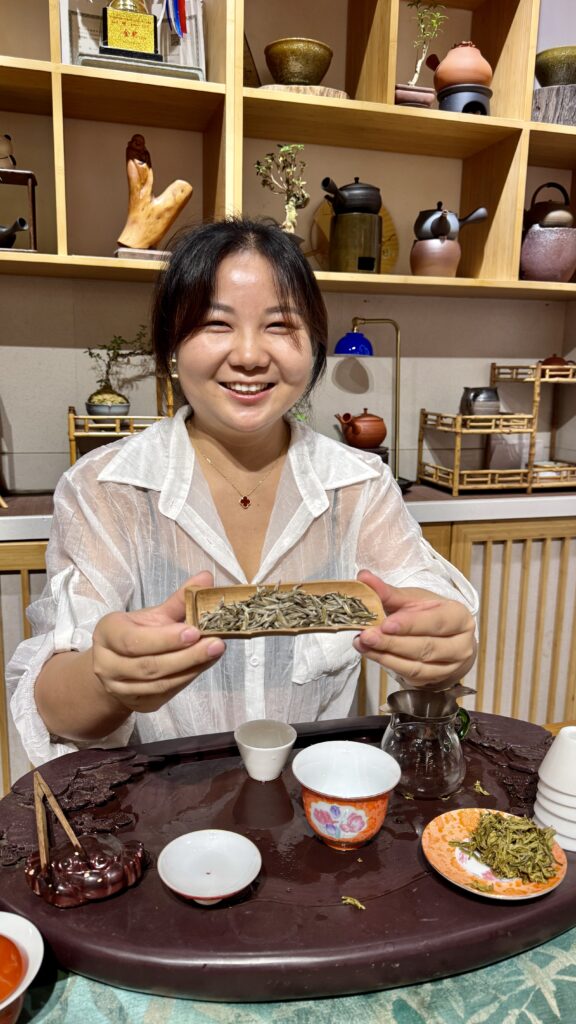
Myth #2: “People aren’t friendly to foreigners”
Reality: Locals were curious, kind, and welcoming
I can’t stress enough how welcome I felt while traveling alone through China. From train stations to tea houses, people went out of their way to help—often using translation apps or simple gestures. Everyone welcomed me with smiles, invited me into conversations, and approached me as a local eager to practice English or learn where I was from.
At a shop in Beijing, the store attendant worked long after the shop closed to make sure that she found me the right size. After the main door was shut, the security guard escorted me through the back of the store. He brought me back to the main street and gave me directions back to my hotel.
At my hotel in Chengdu, the front desk staff always made meaningful conversation with me, asking about my travels around the world and my experiences compared to life in China. Many of the hotels sent me welcome gifts of handmade Chinese souvenirs. Most of the shop attendants thought that I was a Bollywood actress and wanted to take photos with me.
Hospitality in China may be quieter and more reserved than in some cultures, but it’s deeply genuine.
My guides, in particular, were very friendly, spoke fluent English, and shared their thoughts and beliefs during our long drives and delicious meals.
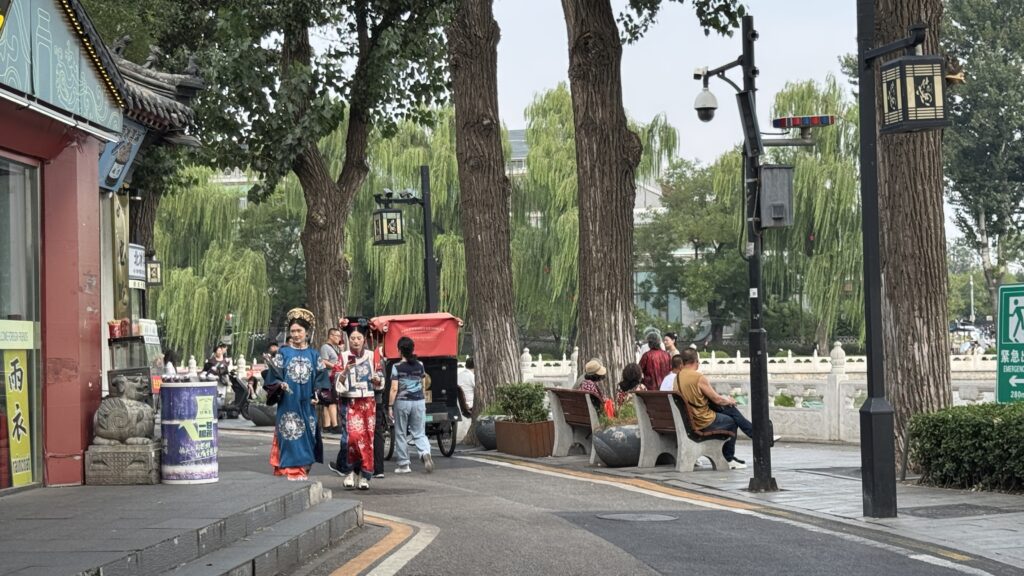
Myth #3: “It’s unsafe or overly controlled”
Reality: China felt extremely safe
I walked around cities late at night, used public transport solo, and explored neighborhoods without worry. Violent crime is rare, streets are well-lit, and there’s a strong sense of order.
As for the fear of constant surveillance: no one followed me, questioned me, or interfered with my movements. I wasn’t “tracked,” stopped, or felt uncomfortable. For travelers, daily life feels remarkably normal and calm.
Myth #4: “You can’t use the internet or social media”
Reality: The Great Firewall is barely noticeable for travelers
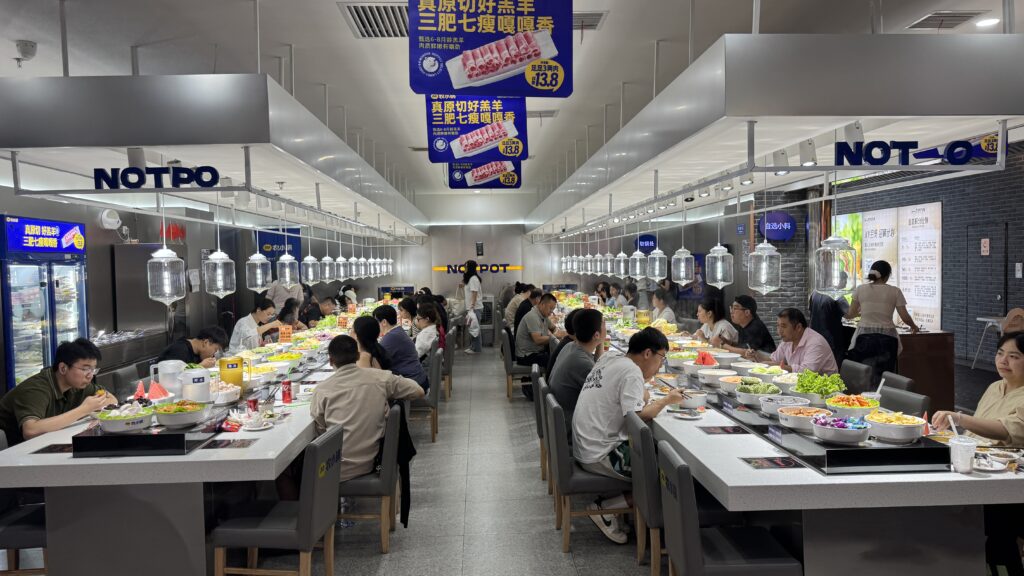
Yes, China has internet regulations—but for visitors, it’s far less dramatic than portrayed. With the right preparation, staying connected is easy. I was able to communicate, upload content, and work remotely without issue. Even though I downloaded VPN, I barely needed to use it, except when I needed to do some work on my computer.
Hotels, cafés, and public spaces have fast Wi-Fi, and mobile data is reliable. My T-Mobile connection worked everywhere, even for social media apps. Even the locals were checking their Facebook and Instagram regularly. For most travelers, the “Great Firewall” is not a daily obstacle—it’s more of a background footnote.
Myth #5: “China is difficult without cash”
Reality: Cashless travel is seamless and efficient
It is pleasantly surprising to see that China is one of the most advanced cashless societies in the world. Mobile payment apps are accepted everywhere, from luxury hotels to street food vendors. Once set up, paying for trains, meals, taxis, and shopping is incredibly easy.
In fact, it’s one of the smoothest travel experiences I’ve had anywhere. When I returned to the U.S. I really missed the convenience of not having to take out my credit card whenever I went out.
Myth #6: “Chinese food is heavy and meat-centric”
Reality: China is a paradise for vegetarian and healthy eating
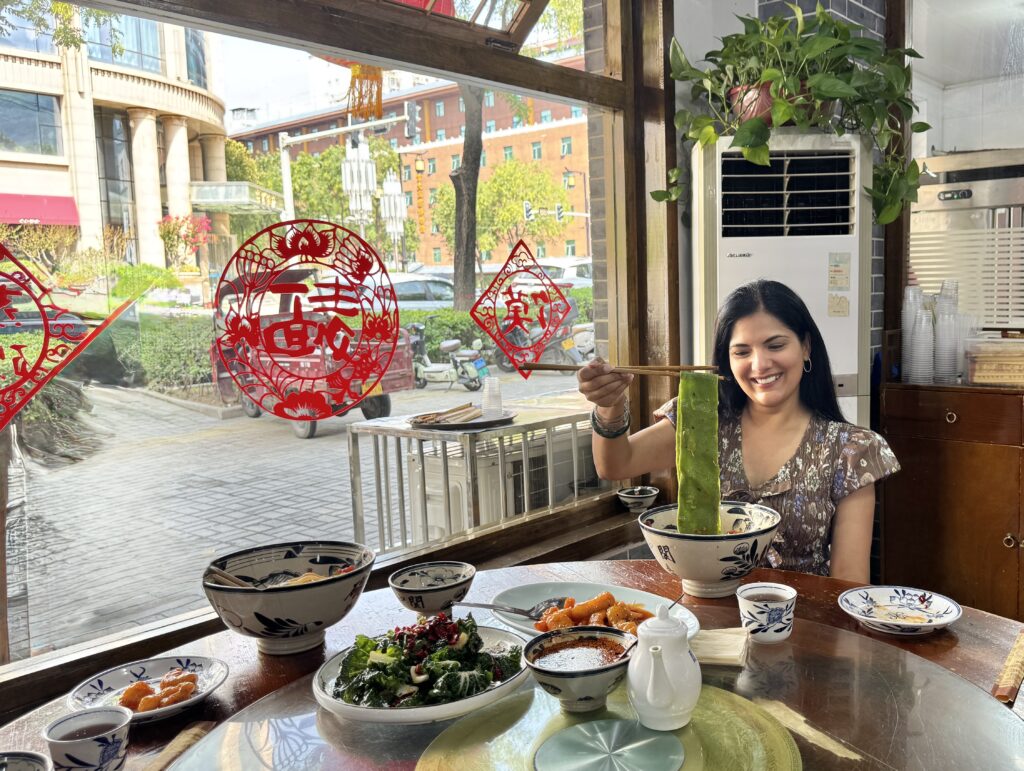
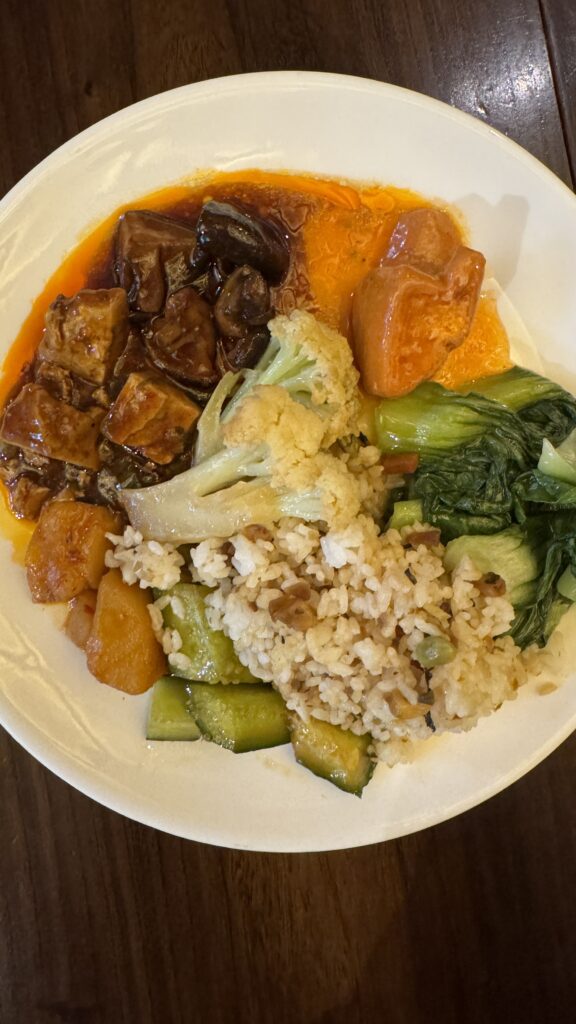
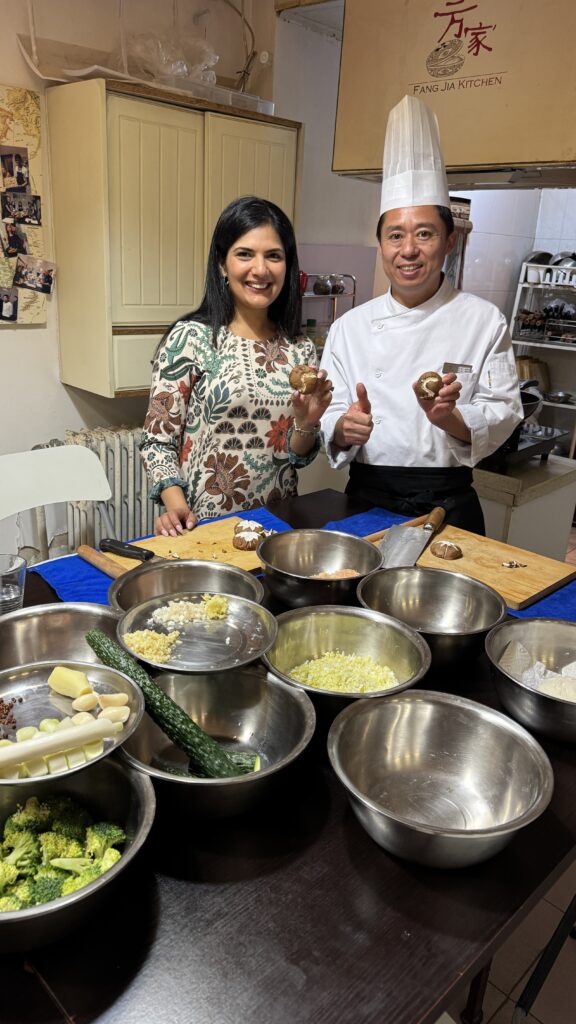
This might surprise many travelers: China offers an incredible variety of vegetarian, plant-based, and wellness-focused food. Rooted in Buddhist traditions and regional cooking styles, meals often feature fresh vegetables, tofu, mushrooms, fermented foods, grains, and herbal soups. Actually, I ate mostly vegetarian food during my three weeks traveling around China. And my digestive system really thanked me for the variety of simply cooked fresh vegetables – often steamed or stir-fried, and seasoned with very little spices. I also enjoyed buffets at restaurants attached to monasteries.
From light dumplings and noodle bowls to elaborate temple-style vegetarian feasts, eating well in China was effortless—and delicious.

Other Observations About China:
The New Generation Speaks Freely—Just Differently
Young Chinese are global, informed, and expressive
What surprised me most was how openly young people spoke about their aspirations, frustrations, careers, mental health, and identity. Many are globally educated, well-traveled, digitally savvy, and deeply curious about the world. They openly shared with me their thoughts on the current economic crisis and how it is affecting their ability to get married and settle down. Most marriages depend on the groom having a stable income, owning property, and paying for the wedding expenses. I also learned about how competitive it is for young kids – especially in high school – to perform at the top of their class and score high so they can get into good colleges. This puts a lot of pressure on teenagers to study late into the night and to forego extracurricular activities.
They may not frame discussions the same way Western media does, but they absolutely speak their minds—often thoughtfully and pragmatically.
A Culture That Honors Aging—and Enjoys Life
Older adults are active, social, and visibly joyful
Another striking sight across cities was how engaged older people are with daily life. China has a relatively early retirement age (50-55 for women and 60 for men), and people truly use that time to live.
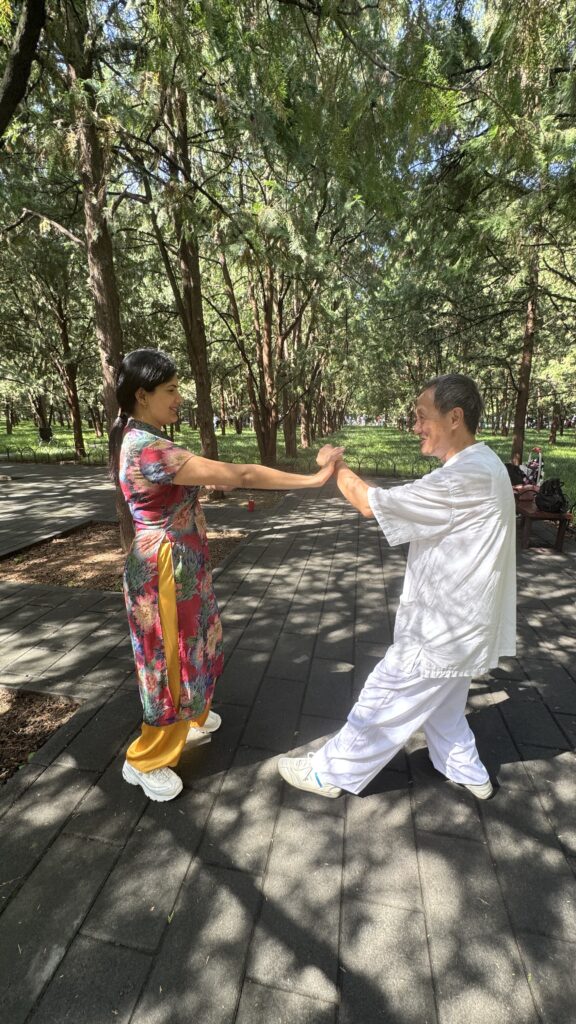
Parks are filled with seniors practicing Tai Chi, ballroom dancing, playing chess and cards, walking, stretching, and socializing. Fitness is communal, outdoor, and deeply embedded in culture. Aging here feels active, not isolated.
Religious Freedom & Cultural Diversity: A Visit to the Xi’an Mosque
China is far more religiously and culturally layered than many assume
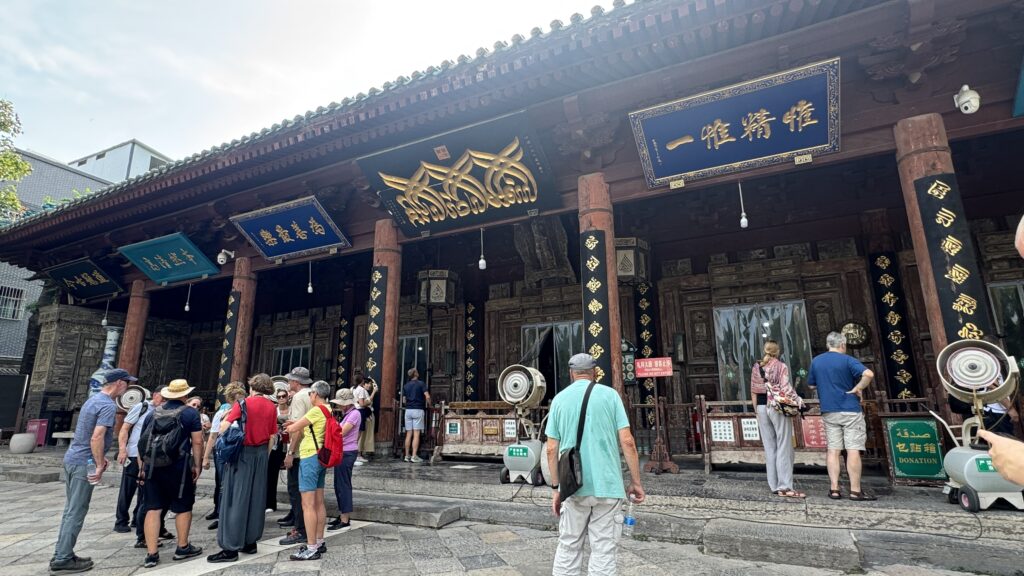
One of the most memorable experiences was visiting the Great Mosque of Xi’an, one of the oldest and most important mosques in China. Located in the historic Muslim Quarter, it blends traditional Chinese architecture with Islamic design—wooden pagoda-style roofs instead of domes, serene courtyards, and Arabic calligraphy alongside Chinese inscriptions.
The mosque was active, peaceful, and open to visitors. Locals prayed, families gathered, and life flowed naturally around it. It was a powerful reminder that Islam has been part of China for over a thousand years, and that religious practice—while culturally distinct—exists openly in many parts of the country. I also visited many Buddhist monasteries across China.

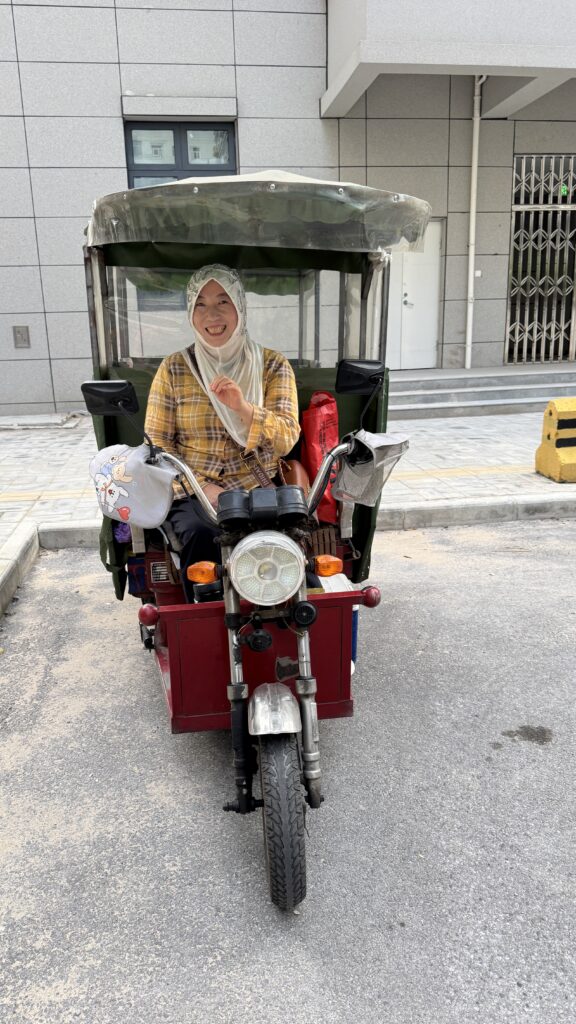

Getting Around China Is a Dream
The high-speed train network is world-class
China’s high-speed rail system is one of the most efficient, clean, and environmentally friendly in the world. Trains are punctual, comfortable, and fast, connecting cities in hours instead of days.
Stations are modern, signage is clear, and the experience rivals (or surpasses) train travel in Europe or Japan. The wagons are cleaned after every stop, no matter how brief. And the attendant brought out a snack cart every few minutes. For travelers, it’s one of China’s biggest strengths.
Did you know that China’s Shanghai magnetic levitation (maglev) train can take you from downtown Shanghai to Pudong International Airport in about 7 minutes and 20 seconds — covering roughly 30 km (about 18.6 miles) at high speed?
There Is No One “China”
China is many cultures, cuisines, landscapes, and people
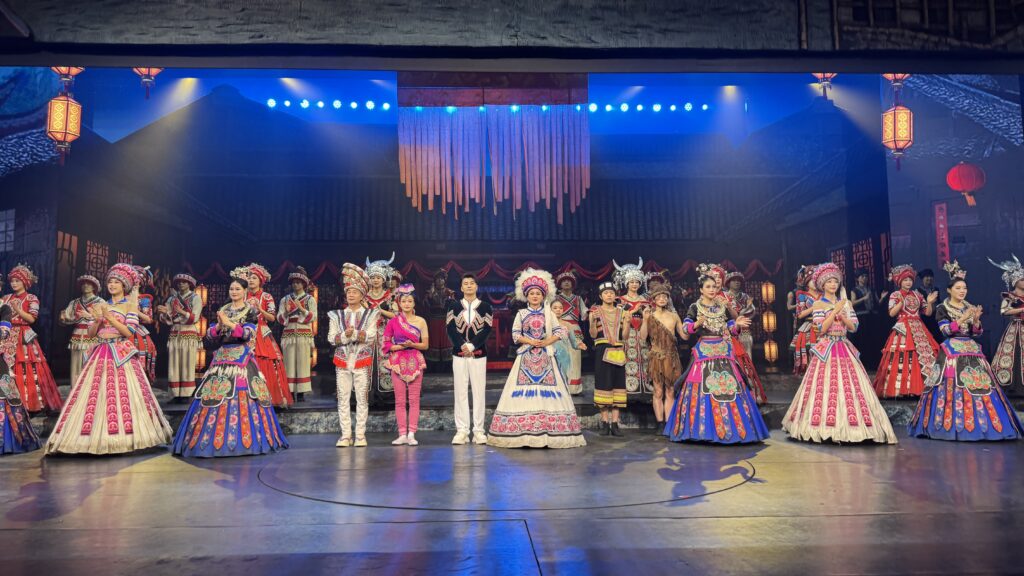
One of the biggest misconceptions is that China is monolithic. In reality, it’s one of the most diverse countries on Earth. There are 56 recognized ethnic minorities, each with distinct traditions, clothing, languages, and cuisines.
Traveling across China feels like visiting multiple countries in one trip—from snowy mountains to deserts, rice terraces to futuristic skylines. Food changes by province. Architecture shifts dramatically. Even physical features and customs vary widely.
There is no single “Chinese food,” no single “Chinese look,” and no single story.

So, What Is It Like to Travel to China Right Now?
It’s modern, dynamic, and welcoming. And it’s far more nuanced than the headlines suggest.
Traveling to China right now reaffirmed something I deeply believe: the only way to truly understand a place is to experience it yourself. Media narratives rarely capture daily life, human warmth, or cultural complexity.
China challenged my assumptions, surprised me in the best ways, and reminded me why travel is such a powerful tool for empathy, learning, and perspective.
If you’re curious, open-minded, and willing to look beyond stereotypes, then China is a unique and very accessible destination.

Disclosure & Travel Partner Acknowledgment
Disclosure: My recent travels in China were hosted by Audley Travel.
That said, the opinions and observations shared in this story are entirely my own and based on firsthand experience. Audley Travel curated a personally tailored itinerary that reflected my interests in culture, food, history, and daily life—rather than just hitting the usual tourist highlights.
From start to finish, the on-the-ground execution was seamless. Transfers ran smoothly, logistics were thoughtful, and the pacing allowed space for real discovery. What truly stood out were the local guides—knowledgeable, open, and refreshingly personal. Conversations went beyond scripted facts and into lived experience, offering context that helped me understand China more deeply and honestly.
If you’re curious about China but unsure how to navigate cultural nuances, language barriers, or logistics, travel with a specialist like Audley so you can go beneath the surface, engage respectfully, and experience the country with insight and confidence.
For travelers who value meaningful encounters over checklists, I highly recommend exploring China through a custom journey with Audley Travel.