
If you had asked me a decade ago whether I’d feel comfortable traveling through Saudi Arabia alone as a woman, my answer would have been complicated. Back then, the country felt like a place you heard about more than you visited, and if you did go, it came with a mental checklist of rules: escorts for women, separate “family” areas in restaurants (yes, even in Starbucks), and the unmistakable reality that women couldn’t drive.
In fact, one of my close friends in college often narrated her stories of living in Saudi Arabia. She told me that she cut her hair really short and dressed up as a boy so she could go out and play freely.
Fast forward to my recent trip, and I’m still processing how much has changed and what hasn’t. Saudi Arabia today is in a deliberate, high-speed transition: opening doors to tourism, hosting global events, and actively trying to reshape its international perception. And yet, it still holds onto cultural norms that can feel unfamiliar (and sometimes confusing) to first-time visitors, especially if you’re comparing it to places like Dubai or Doha.
Here’s what it’s like to travel to Saudi Arabia right now through my eyes as a solo female traveler.
Saudi Is Trying to Change Its Perception
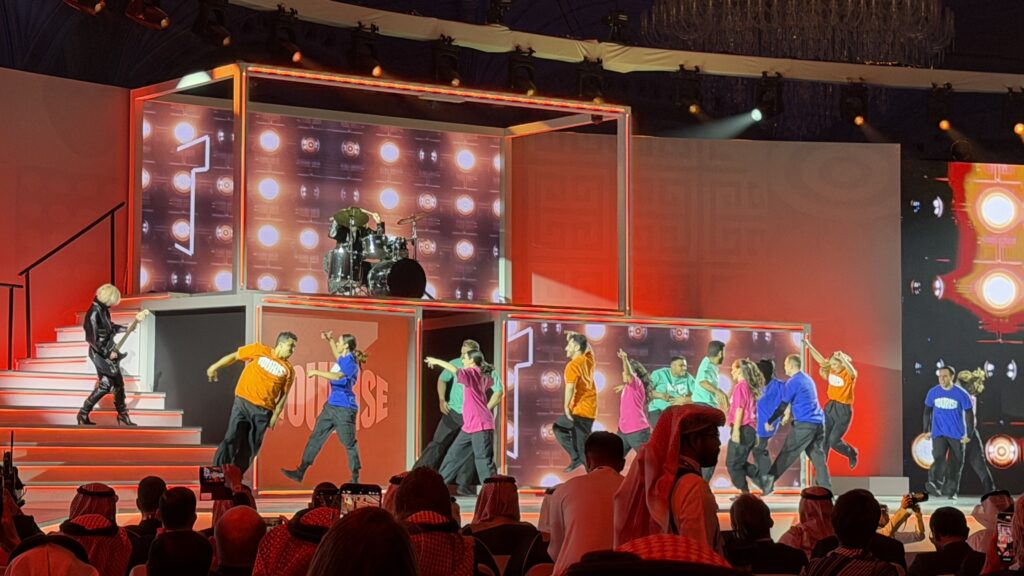
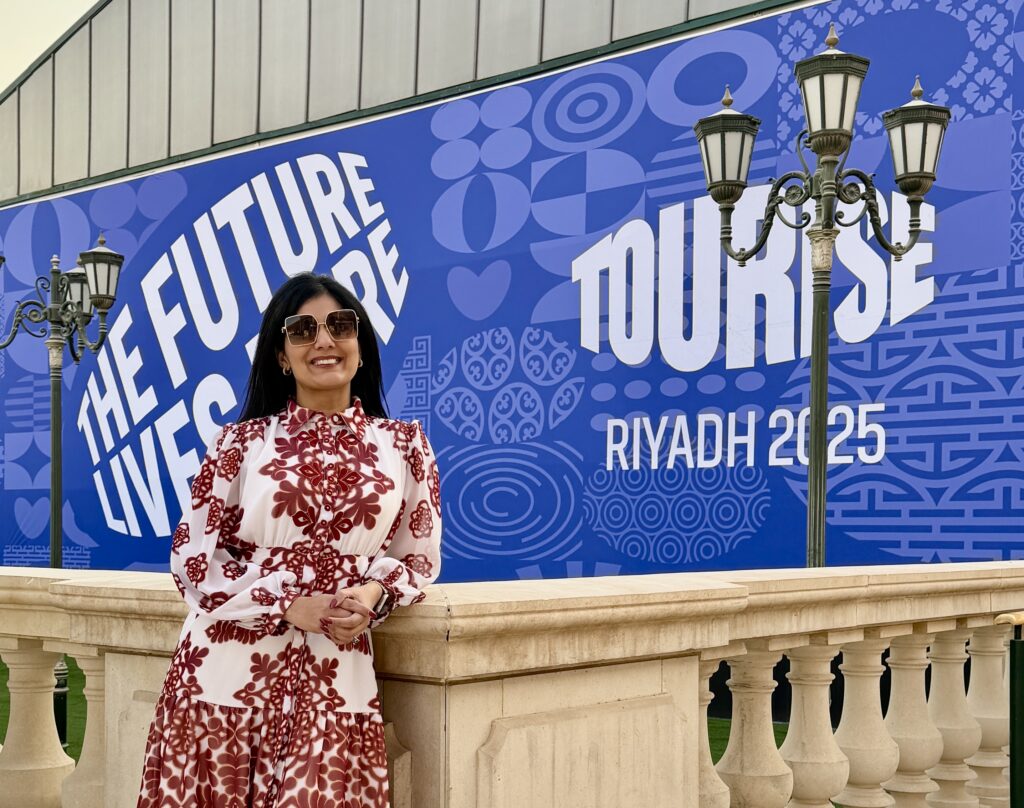
I arrived during TOURISE in Riyadh, and it was impossible to ignore the symbolism.
Organizers describe TOURISE as a multi-year global tourism platform that brought together 5,000+ delegates from around the world, including ministers, CEOs, and cultural icons, all under one roof. Some coverage reported a higher number, noting 8,000 registered attendees at the inaugural summit.
Regardless of which number you use, the message was clear: Saudi Arabia is investing heavily in tourism, not quietly, but loudly. What made it even more significant was its alignment with the 26th United Nations World Tourism Organization (UNWTO) General Assembly, which was also held in Riyadh at the same time. This was the first time ever that the UN Tourism General Assembly — the governing body of the specialized UN agency was held in a Gulf Cooperation Council (GCC) country, with diplomatic delegations from more than 160 member states. I was honored to be a part of it!

What’s Changed for Women (In the Most Practical Ways)
1) You can travel independently and it feels possible
A decade ago, so much of the conversation centered on restrictions. Today, Saudi Arabia is actively marketing itself as welcoming and safe for women travelers, with initiatives and campaigns targeting female visitors and women-led tour experiences.
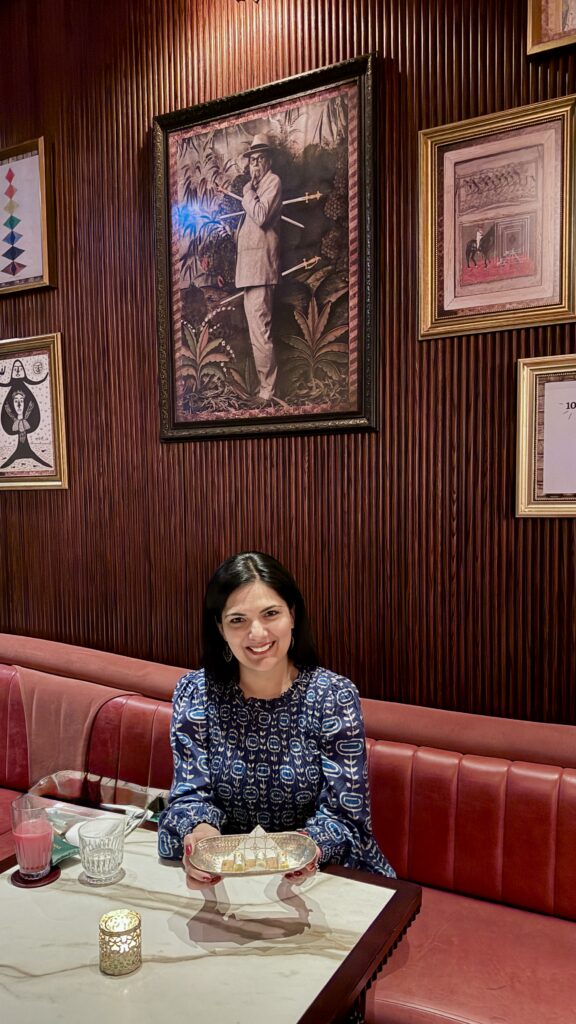
Since I arrived in Riyadh a couple of days before the conference, I explored on my own. It was easy to take Uber, though the Arab drivers would mostly greet me with a polite “Salam Walequm” and not make further conversation. Two of my drivers chatted extensively, answering my questions about marriage, work, life in Saudi Arabia, and more.
I never felt uncomfortable walking around the markets or eating alone at restaurants. My waiters, often Indian or Filipino immigrants, were exceptionally friendly and went above and beyond to make me feel welcomed.
2) The tourist visa made a real difference
Saudi Arabia’s rollout of tourism visas was a major turning point. The official eVisa program allows eligible travelers to visit on a one-year, multiple-entry visa and stay up to 90 days.
Even the U.S. government’s travel guidance reflects that tourist e-visas have been available since 2019 and are generally valid for a year (with stays up to three months).
Obtaining the visa online was super easy, and when I arrived at Riyadh International Airport, they never even asked for it. I remember when I first visited the UAE in 2005, I had to secure a local sponsor to pay a fee to apply for a visa.
3) Dress code is no longer what people assume
This is one of the biggest misnomers. According to Visit Saudi Arabia, it’s not mandatory for women to wear an abaya or hijab, though modest dress is expected.
In practice, I dressed modestly in maxi dresses and closed-toe sandals. I packed a lightweight scarf (useful in mosques or conservative areas), but never used it. I saw many Arab women wearing pants and shirts, going to offices and having lunch with their colleagues at restaurants. Overall, I found that most people were more focused on their own lives than on policing dress codes.
4) Women driving is no longer a barrier
Women were prohibited from driving for decades, until the ban was lifted in June 2018.
That shift matters even if you don’t plan to rent a car; it changes the feeling of a society. And it changes logistics for local women. I saw several women driving through Riyadh’s congested traffic. However, I did not see any women driving taxis or ride-shares.
What Still Exists Today (And You Should Expect It)
Saudi Arabia hasn’t become “the same” as other Middle East destinations, and it isn’t trying to. Certain separations and norms still show up in everyday life.
• “Family” sections on public transport (yes, still a thing)
Even modern metro systems in the region often include family carriages reserved for women, children, and couples—a blend of comfort and tradition. One thing that still surprises first-time visitors: on metro trains and some public transport, signage may list “Singles” and “Families.” Know that “Singles” refers to men traveling alone, while “Families” means for women (whether alone or with children) and mixed-gender groups.
These distinctions are less about exclusion and more about longstanding cultural norms around gendered public space. Still, it’s a reminder that while Saudi Arabia is modernizing rapidly, some social structures remain visibly embedded in everyday life.
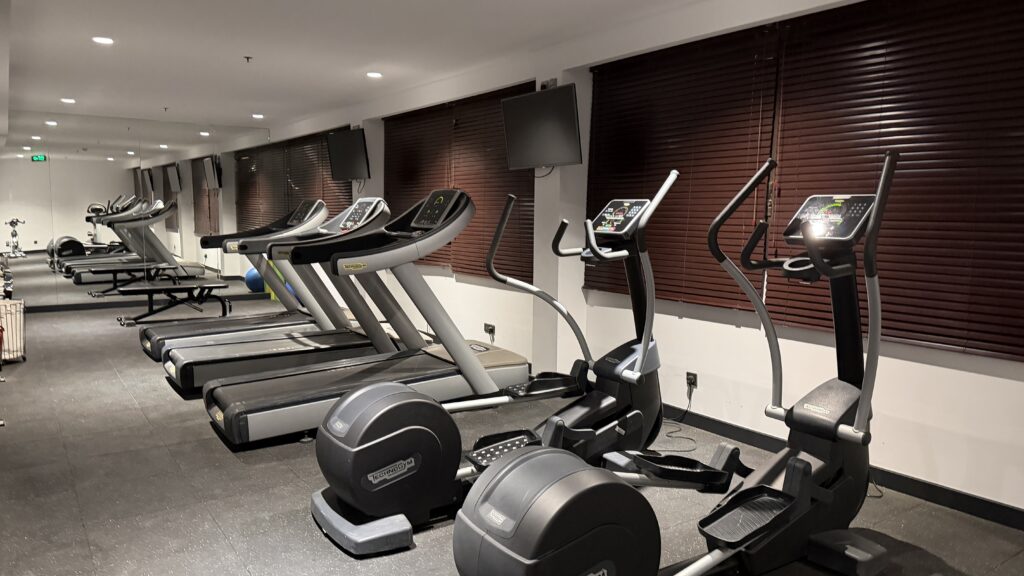
• Gender separation still appears in places like gyms and spas
I was very excited to go to the spa at my hotel, but I learned it was for men only. The separate gym for women looked in poor condition. Even at five-star hotels, the gym and pool hours may differ for men and women (often favoring men’s work schedules). Depending on the facility, you may find women-only spaces, women-only hours, or separate entrances.
If you plan to go, look for a women-only spa and fitness center. And expect to wear modest clothing, such as full-coverage swimwear (like burkinis) in pool areas, and comfortable sportswear in fitness zones.
• Alcohol remains a key difference vs. UAE or Bahrain
If you like drinking alcohol on vacation, this is something you will need to adjust to. While there have been recent changes around controlled access in limited settings, alcohol is not broadly available to tourists the way it is in other parts of the Middle East. At my minibar in Riyadh, there was alcohol-free beer, sodas, and juices. Even the fine-dining restaurants I visited offered only mocktails.
According to a new rule introduced at the end of 2025, eligible, wealthy non-Muslim foreign residents will be permitted to purchase beer, wine, and spirits in Saudi Arabia.
Government Moves Aimed at “Progressive + Tourist-Friendly”
Saudi Arabia’s tourism growth isn’t happening by accident; it’s part of a wider national strategy to diversify its economy and invite international visitors. Here are a few initiatives worth knowing about:
1) “Beyond Tourism” with the World Economic Forum
In November 2025, Saudi Arabia’s Ministry of Tourism and the World Economic Forum launched an initiative called Beyond Tourism, positioning it as a framework to reshape tourism with measurable action around sustainability, inclusion, and resilience.
2) Expanded e-visa accessibility
Saudi continues widening access to visitor e-visas, a key part of making entry easier and more “normal” for global travelers.
3) Premium residency expansion (longer-term openness to foreigners)
Saudi Arabia has also been exploring expanded premium residency options to attract talent and high-net-worth visitors—part of the same “open the doors wider” tourism/investment narrative.
Misnomers About Traveling to Saudi Arabia (That Don’t Match Reality)
Misnomer #1: “It’s unsafe for solo women.”
My experience: I never felt watched or threatened. The front office staff at my hotel always greeted me and asked me about my stay. The tour guides thanked me for my visit. I found people generally respectful (and often curious in a friendly way).
Misnomer #2: “You must wear an abaya and cover your hair.”
Not required for tourists, and most locals have a choice, though modest dress matters. I met many Arab women wearing long dresses and pants, just like me, often draped with open-front silk or velvet abayas.
Misnomer #3: “Saudi is just desert.”
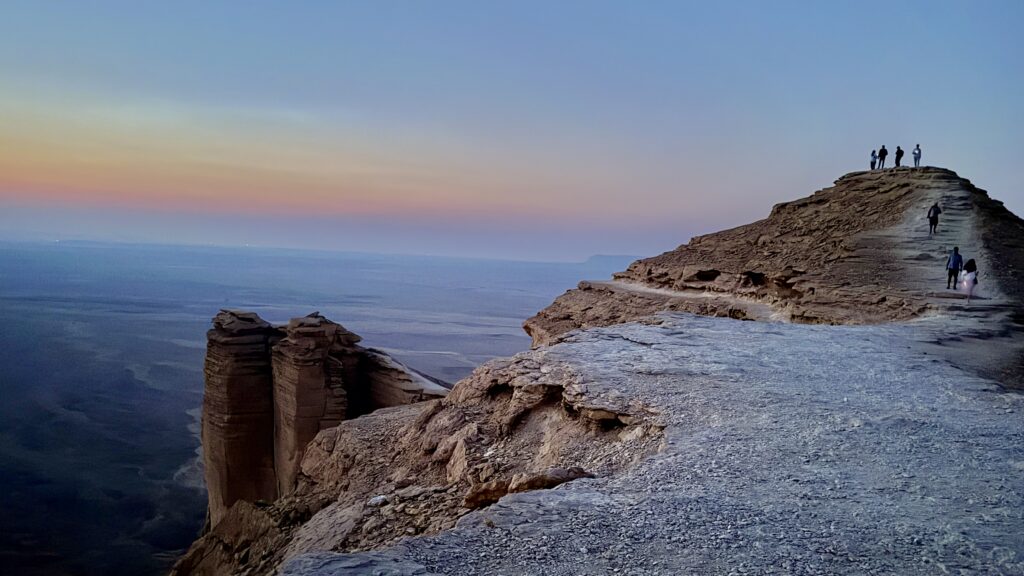
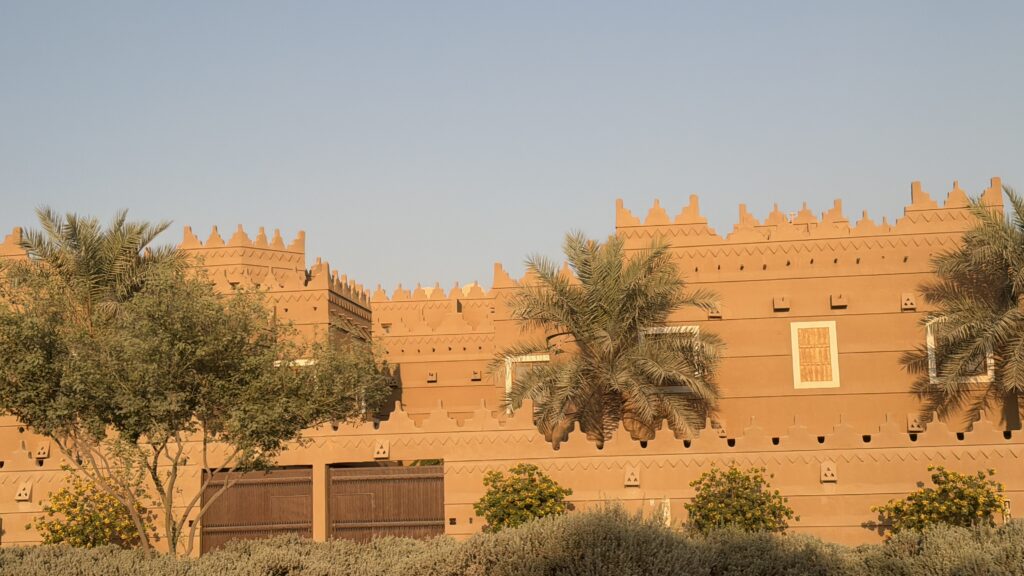
Yes, there’s breathtaking desert—but also heritage sites, coastal cities, futuristic architecture, mountain regions, and a rapidly growing food scene. In one week, I barely scratched the surface of this vast country.
Misnomer #4: “All Middle East countries feel the same.”
I have traveled to most of the Middle East and found that Saudi Arabia is quite different. It is the largest country by area, with diverse landscapes and many immigrants and locals working across all sectors of the economy. Opulence is not in your face, and there are not just high-end shopping malls everywhere. You feel like it’s a country with a soul and its share of problems. Compared with the UAE, it’s more conservative socially. Compared with some places in the Levant, it can feel more structured and rule-forward. That doesn’t make it better or worse, just different.
What To Do in Saudi Arabia (A Quick, Practical Snapshot)
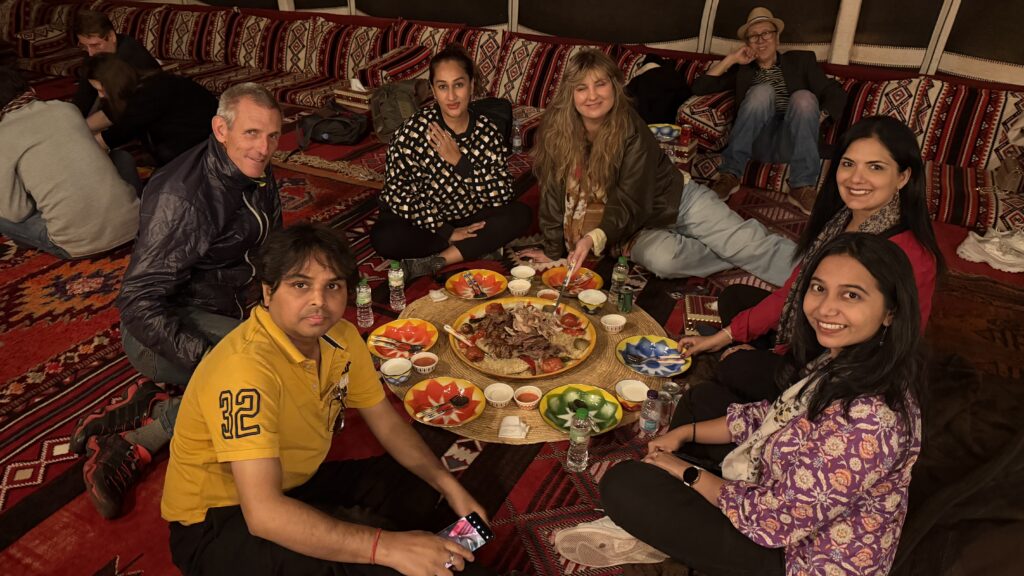
If you’re planning a first trip, these are easy anchors:
- Riyadh: museums, modern dining, big cultural events, and a front-row seat to the country’s transformation
- Jeddah: the Red Sea coastline, historic districts, a more laid-back pace
- AlUla: dramatic landscapes + ancient heritage sites (similar to Jordan’s Wadi Rum and Petra)
- Diriyah: history and heritage experiences near the capital
- Red Sea escapes, and resort developments are expanding quickly (expect more here over the next few years).
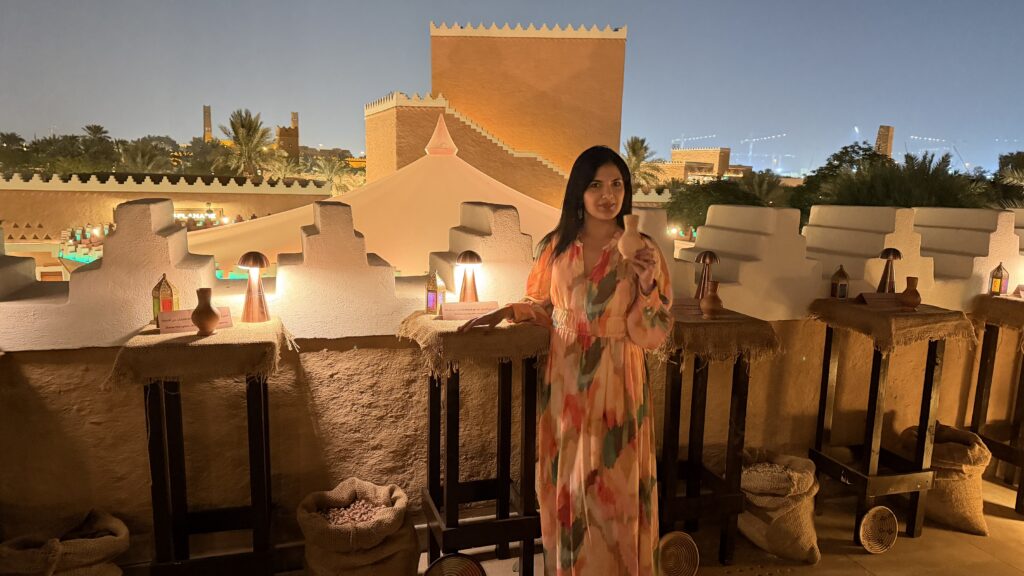
What I’d Tell Other Solo Female Travelers Before They Go
Saudi Arabia currently feels like a country in the middle of intentionally rewriting its own story. If you go and expect it to be “Dubai 2.0,” you’ll be disappointed. If you expect it to be closed-off and unwelcoming, you’ll likely be surprised.
Traveling here as a solo woman requires awareness, cultural respect, and smart planning—but it’s no longer the impossible “no” it once was.
And that’s the point: Saudi is trying to change its perception, and tourism is a major part of how it’s doing it.
TOURISE hosted me to attend their inaugural conference in Saudi Arabia. However, I maintain full editorial independence. I was not asked to write about specific experiences, nor was this article reviewed prior to publication. The reflections shared here are based solely on my personal experience as a solo female traveler.