

When I signed up for a chimpanzee trek in Uganda’s Kibale National Park, I expected an adventure tracking primates through dense forest and a challenging hike. I expected to learn about primates, conservation, and perhaps a few interesting facts about our closest living relatives. What I did not expect was to come away questioning everything I thought I knew about leadership.
I was traveling through Uganda with Volcanoes Safaris, whose lodges and guides provide access to some of East Africa’s most remarkable wildlife experiences. Kibale National Park, often called the “Primate Capital of the World,” is home to 13 primate species, including more than 1,500 chimpanzees. Unlike mountain gorillas, which often sit calmly posing for photographs, chimpanzees are energetic, noisy, and constantly on the move. Tracking them requires patience, agility, and a willingness to duck under vines while staring up into the forest canopy.
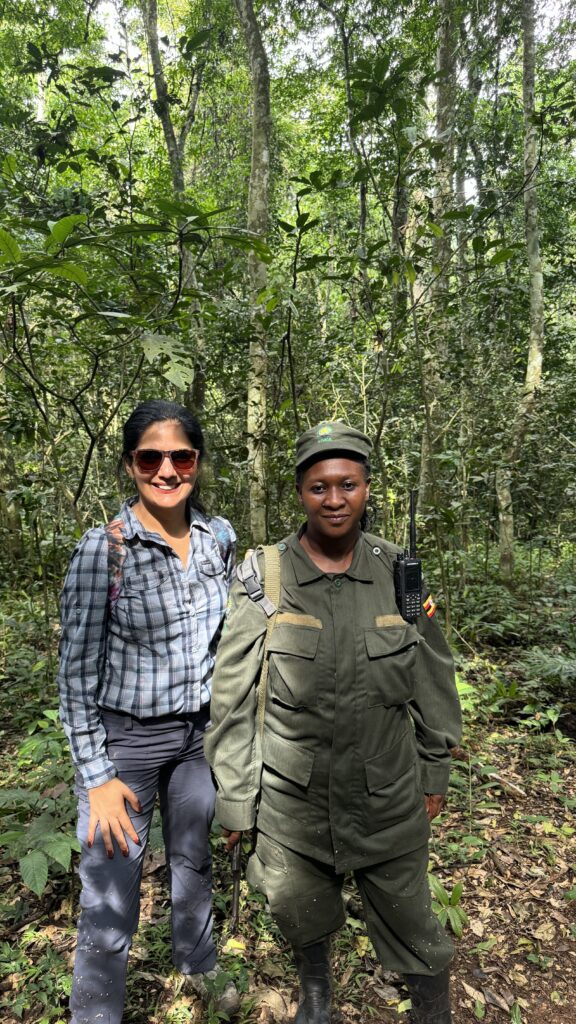
An Unexpected Lesson From a Ugandan Ranger
Our ranger, a woman carrying a rifle and a radio, led us deep into the rainforest. Along the way, she explained how the trackers communicate, how chimpanzees identify one another through vocalizations, and how family groups move through the forest. Then she casually mentioned something that made me stop in my tracks.
“The leader isn’t always the strongest male,” she said.
Perhaps she noticed my surprised expression because she continued.
“The ones who stay leaders are the ones who know how to get along with everybody.”
That statement felt oddly relevant in today’s world.
For decades, scientists studying chimpanzees have discovered that leadership within chimp communities is far more complicated than a simple contest of strength. While dominant males often possess physical power, successful alpha chimpanzees typically maintain their position through relationships and alliances. They groom others, share resources, mediate disputes, and build support among members of the group. An aggressive male may rise quickly, but if enough individuals turn against him, his reign can be surprisingly short.
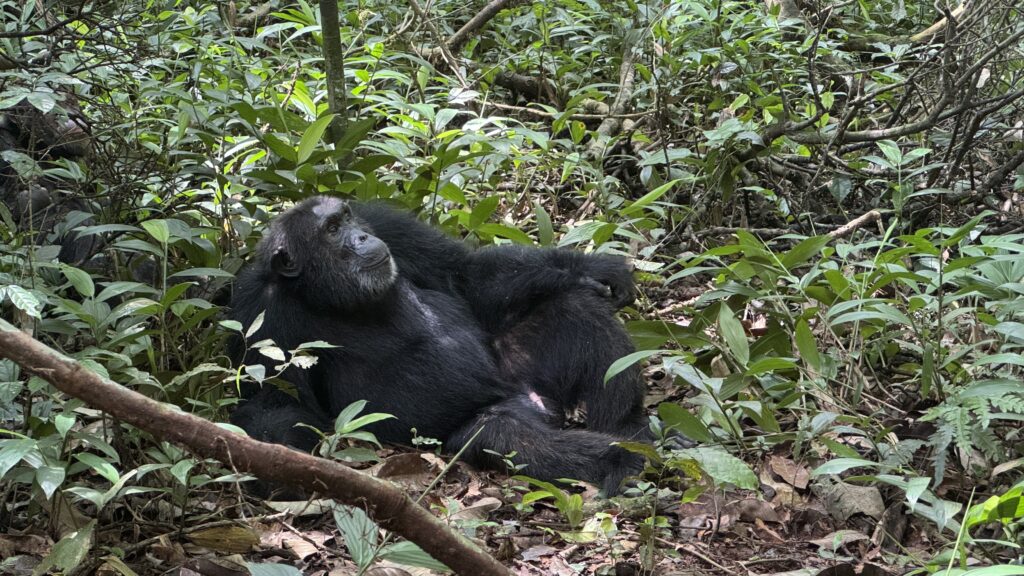
Observing Chimpanzee Behavior in the Ugandan Wild
As we listened, distant hoots echoed through the forest.
The chimpanzees had been found.
A few minutes later, we stood beneath towering fig trees watching several chimpanzees move effortlessly through the branches above us. One juvenile swung dramatically from vine to vine, seemingly performing for the visitors below. Another sat quietly eating fruit. Nearby, two adults groomed each other with the concentration of surgeons.
At first glance, it looked like chaos.
But the more time I spent observing them, the more I began to understand what the ranger meant.
Chimpanzee societies are built on relationships.
Researchers have spent decades documenting their social behavior, and some have even described chimpanzees as natural politicians. Individuals form coalitions, exchange favors, reconcile after disagreements, and navigate shifting alliances.
The comparison to human society is impossible to ignore.
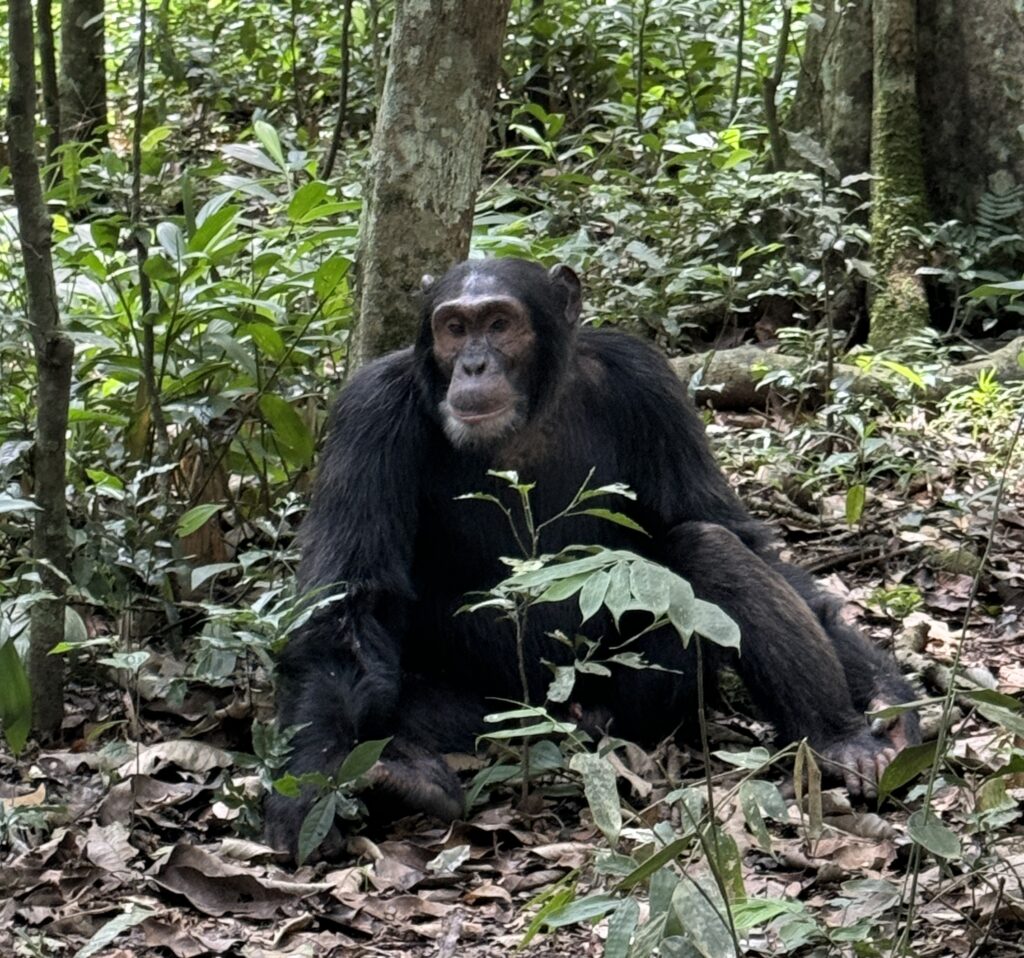
What Chimpanzees Teach Us About Leadership
Around the world, I have observed political leaders, corporate executives, and public figures whose influence extended far beyond their titles. Rarely were the most effective leaders the loudest people in the room or the ones who relied solely on authority.
The ones who left the strongest impression were those who listened carefully, built strong relationships, brought diverse groups together, and earned trust over time. Whether leading a nation, a global corporation, or a major institution, their success often depended less on power and more on their ability to unite people around a common purpose.
Watching chimpanzees in Uganda, I couldn’t help but think about how often humans celebrate the wrong leadership qualities. We tend to admire confidence, dominance, and charisma. Yet among our closest genetic relatives, long-term success often depends on cooperation and social intelligence.
Perhaps leadership has always been less about commanding others and more about serving the needs of the group.
That lesson feels particularly relevant when you are standing in a forest watching a community that has survived for millions of years.
Leadership Expressed: Power Versus Trust in Chimpanzee Society
Of course, chimpanzees are far from perfect. They can be territorial, aggressive, and manipulative. They wage battles with rival groups and compete fiercely for status. But their societies remind us that power alone is rarely enough. Even in the animal kingdom, leadership requires legitimacy.
Scientists have observed that unpopular alpha males can lose support when alliances shift. In contrast, leaders who maintain strong social bonds often enjoy greater stability within the group. It’s a reminder that influence and authority are not always the same thing.
One aspect of chimpanzee society that challenged my assumptions was the role of females. While alpha males generally occupy the highest-ranking position, researchers have found that older, experienced females can wield significant influence within the group. They shape alliances, affect social dynamics, and often determine which males receive support. Leadership, it turns out, is not always concentrated in a single individual. Much like human organizations, influence can come from formal authority or from the trust and respect earned over time.

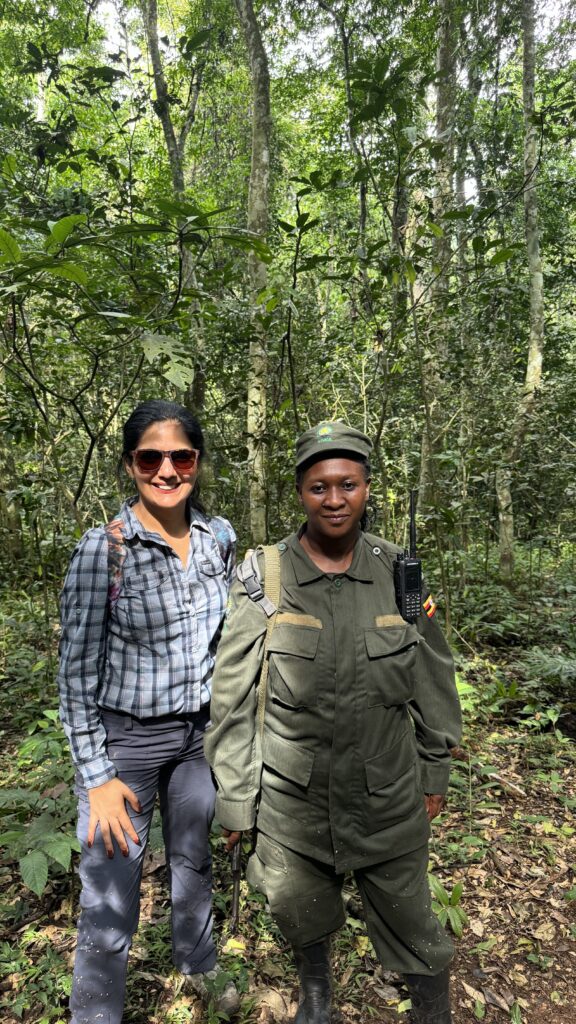
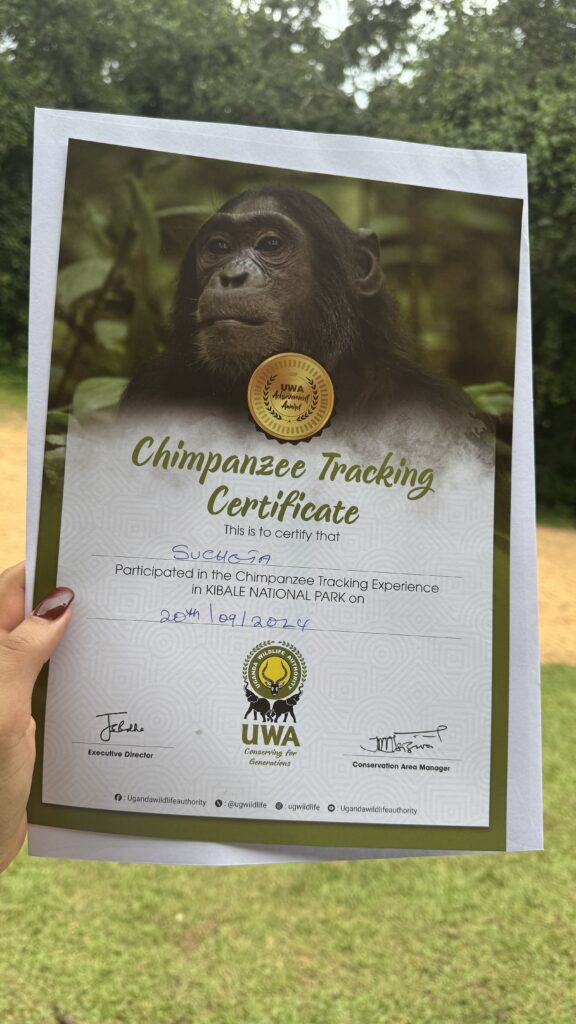
Why Uganda’s Chimpanzees Changed My Perspective
As we hiked back through the forest, I found myself thinking less about chimpanzees and more about people.
Travel often teaches us unexpected lessons. Sometimes they come from experiences like visiting the oldest living civilization on the planet, by falling sick at high altitudes of the Andes, or by traveling solo through China. On this day, the lesson came from a ranger in Uganda and a troop of chimpanzees hidden among the trees.
I had arrived hoping to see wildlife, which I did.
Also, I left with a new perspective on leadership.
And for that, I have a chimpanzee to thank.